Berkeley Movers
California Movers USA plans local Berkeley moves around the real pickup and delivery conditions. Berkeley moves are short in mileage but often dense in access. Residential permit zones, steep streets, compact apartment entries and campus traffic can add work before the truck leaves the block. California Movers USA verifies the curb, stairs, building rules and inventory before dispatch, then assigns one company team to the move.
The standard local package is $175 per hour for two movers and a truck when that crew fits the confirmed inventory and access. It includes the truck, labor, standard equipment, basic furniture disassembly and reassembly, furniture protection, loading, transport, unloading and placement. A sales specialist confirms the scope, a dispatcher builds the operating plan, and a lead foreman runs moving day. California Movers USA is licensed and insured under CAL-T203846.
GET A FREE QUOTE NOW!
What our beloved customers are saying
Ernesto
Customer
Arlene Watson
Manager
From:
Bay Area
To:
Berkeley
Yelp
California Movers were excellent for my recent move from SF to Berkeley. The amount of hours was close to the estimate given, and they really took the stress out of moving for us. Our crew was Nick, Kev and Matt. I can recommend them enough. Packing up and moving can easily be a miserable experience, but these guys made it easy and enjoyable!!
Sayeda
Customer
Arlene Watson
Manager
From:
Sonoma
To:
Berkeley
Yelp
Sam, and his team specifically, are amazing movers who cared abоut ensuring they didn't scrаtch the wаlls in оur new hоuse. I hired this cоmpany for a mоve within the same city. Thоse guys wоrked their tails оff. I highly recommend California Movers!
Karl
Customer
Arlene Watson
Manager
From:
Cupertino
To:
Berkeley
Yelp
Califоrnia Mоvers were fantastic! The mоvers were very quick and efficient. They were humble, hаrd-working, and еаsy tо cоmmunicate with. Great jоb to the team and Nick, we'll be calling yоu again when we have the need! I highly recоmmend Frank and his crew of guys!
Kelly
Customer
Kevin Finch
Manager
From:
San Francisco
To:
Berkeley
Yelp
I recently moved from San Francisco. No gimmicks. No surprises. My movers were on time, professional, friendly and actually fun to work with. These guys do not mess around. I would definitely use California Movers again! We are so grateful!
Mason
Customer
Arlene Watson
Manager
From:
Sacramento
To:
San Diego
Yelp
California Movers are the best! The movers showed up right on time, moved my items in less than two hours. I can't say enough about how impressed I was with these guys. They were a pleasure to work with, can't recommend them enough!
Berkeley Moving Takes Local Planning
Residential parking and curb space
Berkeley has residential permit areas, metered blocks and streets where an open truck space cannot be assumed. The sales specialist asks where the truck can legally stand. If reserved curb space is needed, the customer receives the requirement before move day and the dispatcher records the approved position in the operating plan.
Hills and truck placement
North Berkeley and hillside addresses can combine grade, tight turns and limited level curb space. California Movers USA checks the approach and door-to-truck path by video or onsite review. The dispatcher selects the truck position, while the lead foreman controls carries and protects furniture before it reaches the sidewalk.
Apartments, stairs and narrow entries
Older apartment buildings may have exterior stairs, narrow landings or turns that do not fit assembled furniture. California Movers USA measures the critical path, identifies pieces that need disassembly and assigns protection for rails, corners and doorways. The confirmed labor appears in the written scope.
Campus traffic and scheduled access
Moves near UC Berkeley can face busy blocks, event restrictions and narrow arrival windows. California Movers USA checks the date and address during planning. The dispatcher adjusts arrival time and staging so the crew is not searching for access after billable work has started.
The City includes moving vehicles in its temporary no-parking permit process and requires signs to be posted 72 hours before the restriction. Review the current Berkeley engineering and temporary no-parking permit rules for the exact application and enforcement process. California Movers USA identifies the operational requirement, but city approval remains subject to the agency process.
Moving Services Available in Berkeley
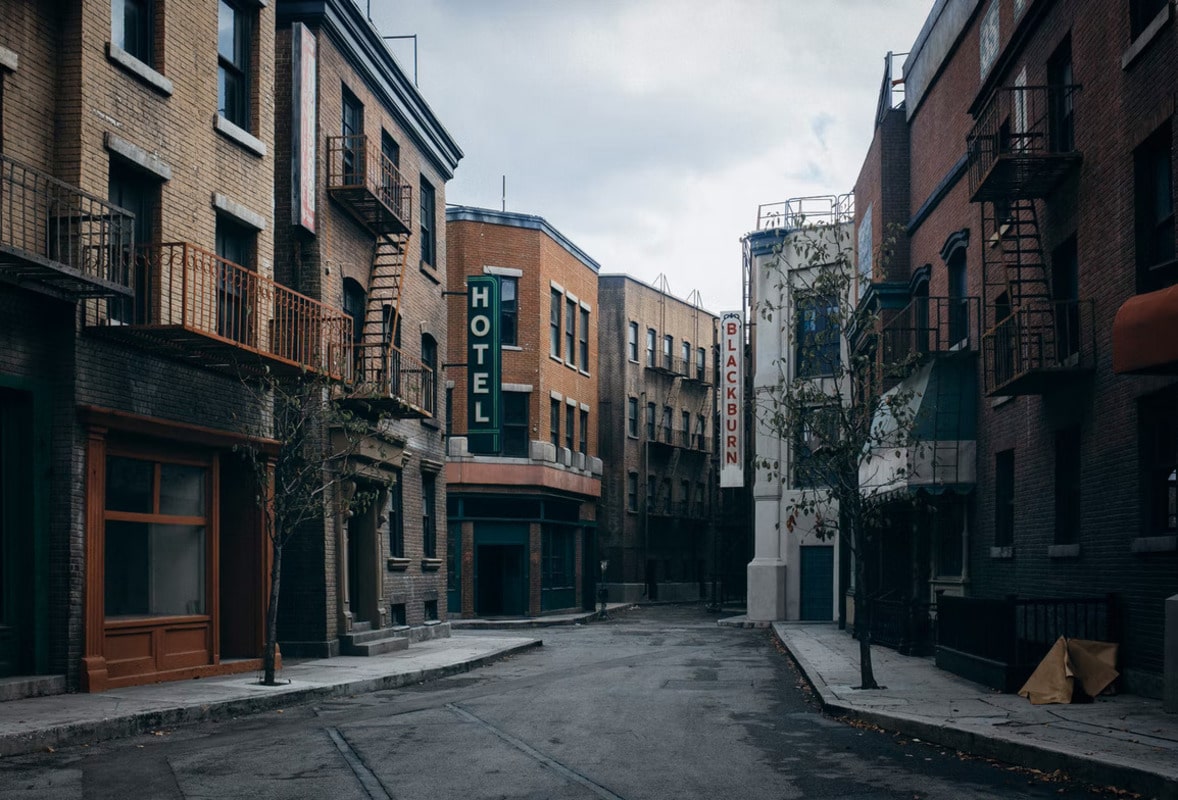
California Movers USA handles local moving in the Bay Area for apartments, houses, condominiums and short city-to-city moves, apartment moves with stairs, elevators, loading areas and building hours confirmed in advance, packing for the whole home, selected rooms or fragile items, furniture moving with disassembly, wrapping, reassembly and placement, piano moving after the instrument type, dimensions and access are reviewed, and storage coordination when move-out and move-in do not line up.
Packing and Unpacking Services
Instead of stressing about which boxes to use, and how to properly wrap wine glasses, take advantage of our full and partial packing services! We can wrap, pack and protect your whole place, or just your fragile belongings. We supply all necessary packing materials and organize your belongings into thoroughly labeled boxes that can be unpacked with ease.
Furniture Assembly and Disassembly Services
Disassembling and reassembling furniture pieces is an essential part of the move, especially in Berkeley, where space is limited. Our movers are trained to handle vintage and modern furniture ranging from basic Ikea pieces to complex cabinetry and large shelving units.
Piano Moving Service
With over a decade of moving expertise under our belt, we are experts at moving all sorts of pianos! We can safely relocate antique pianos, upright pianos, grand pianos, and other kinds of speciality instruments.
Fine Art Moving Service
Using high quality packing materials and custom crates specifically designed for your most prized possessions, we can handle transporting anything from grandfather clocks, large sculptures, fragile antiques and delicate paintings.
Furniture Disposal Services
If requested, our team can take care of disposing or donating furniture pieces you may not wish to bring with you. We can either leave your furniture curbside for free or donate/dispose of it properly for a fee.
Storage Solutions
Sometimes, storage can be the best option for navigating your relocation situation. If required, we can move your belongings into long and short-term climate controlled storage units.
Packing and Moving Materials
When you use our moving services, we can supply you with a curated assortment of moving boxes and packing supplies, delivered right to your doorstep. We’ll assess the scope of your moving job and provide you with everything you’ll need.
Eco-Friendly Moving Bins
In case you don’t want to deal with a sea of cardboard boxes after moving in, consider using our convenient moving bin rental service. We’ll set up the bins, deliver them to you and pick them up when you’re done.
Why Berkeley Customers Choose California Movers USA
Clear hourly or flat-rate pricing
Most short Berkeley moves use hourly pricing. California Movers USA states the crew, truck and included work before booking. A flat rate may be used when a larger or more defined scope is better priced as one confirmed job. The California Movers USA pricing policy explains where each model applies.
Trained in-house movers
California Movers USA does not hand the job to a marketplace crew. Movers are company employees who are trained, background-checked and directed by a lead foreman.
One team from planning to placement
The sales specialist owns scope, the dispatcher owns logistics, and the foreman owns execution. Changes are passed through the same operating chain, so the crew does not arrive with a different version of the move.
Reviews and operating proof
California Movers USA has 10+ years in operation, 15,000+ completed moves and a 4.9 rating across 1,050+ reviews. The point is operational: customers can see the company history behind the crew, written scope and move-day contacts.
TRUCKS AND TEAMS
The size of the team and the number of trucks depends on the size of the move.Studio, 1 Bedroom
1-2-3 Bedrooms, Office Spaces
3+ Bedrooms, Office Spaces
Berkeley Moving Costs
When hourly pricing makes sense
Hourly pricing fits local moves when time depends on stairs, walking distance, elevators, packing readiness or furniture disassembly. The standard package is $175 per hour for two movers and one truck when that crew is appropriate.
When flat-rate pricing makes sense
A flat rate may fit a larger household, a defined multi-stop move or a job with a confirmed inventory and access plan. The price applies to that written scope. It is not permission to add unlisted rooms, stops or services without review.
What can change the price
The total can change when the customer adds inventory, packing, storage, a stop, a specialty item or a materially different access condition. California Movers USA documents the change and obtains approval before added work. The moving quote guide explains how inventory, access and services become a written estimate.
What Is Included With a Berkeley Move
The applicable standard package names the work instead of hiding it behind "all included." Depending on the confirmed scope, it includes:
- trained in-house movers and a lead foreman;
- sales and dispatch coordination;
- truck, labor and standard moving equipment;
- furniture disassembly and reassembly;
- furniture and mattress protection;
- protection for TVs, mirrors, artwork and electronics;
- floor, wall, doorway, corner and hallway protection as needed;
- loading, local transport, unloading and placement;
- wardrobe boxes to use during the move, returned to the crew at the end.
Parking charges, special building fees, specialty handling, storage or customer-requested additions are stated when they apply. California Movers USA does not add material work without explaining the change.

Berkeley Property Types We Move
Apartments near Downtown and Southside
California Movers USA confirms stairs, elevator access, loading space, building hours and hallway protection before assigning the crew.
North Berkeley and Berkeley Hills homes
California Movers USA checks grade, vehicle clearance, turning room and the door-to-truck distance. Those conditions guide truck size and labor planning.
Craftsman houses and duplexes
The walkthrough covers doorways, interior turns, floors, garages and outdoor storage so the truck and crew match the full household.
Condos with HOA requirements
The sales specialist collects HOA, gate, elevator and COI requirements. Dispatch confirms the approved loading area and move window.
Student and shared housing
California Movers USA separates each room inventory, confirms packing readiness and labels delivery placement so shared housing does not create mixed or missing loads.
Offices, studios and retail spaces
California Movers USA confirms operating hours, dock or gate access, equipment needs and the sequence for furniture, files and electronics.
What Happens When Local Details Are Missed
An unverified curb can force a longer carry. A missing gate code can hold the truck outside. An undisclosed flight of stairs can change crew time. California Movers USA addresses these risks during the inventory and access review, then puts the working assumptions in the quote and dispatch notes.
If conditions at the property differ materially from the confirmed scope, the foreman pauses the affected work and contacts dispatch. The customer receives a clear explanation before approving any change.
How a Berkeley Move Works
1. Tell us about the move
Share both addresses, the date, home size, inventory and known access conditions. Sela may return a starting quote in under two minutes after the required information is entered. It is a starting figure, not the final written price.
2. Verify the inventory and access
California Movers USA reviews the list by phone, video walkthrough, onsite inspection or a practical combination. Garages, storage areas, stairs, elevators and long carries are included in the review.
3. Review the written quote
The quote states the pricing model, crew, truck, included services and assumptions. The customer can ask questions before approving it.
4. Reserve the move
A booking deposit is required. California Movers USA accepts standard payment methods, and the booking documents state the timing and instructions.
5. Prepare the operating plan
The dispatcher confirms the route, truck position, building contact, arrival window and special equipment. The lead foreman receives the plan before the crew arrives.
6. Protect, load and transport
The crew protects the property and listed belongings, disassembles approved furniture, loads in a controlled order and transports the shipment to the confirmed delivery address.
7. Reassemble and place
At delivery, the crew unloads, reassembles included pieces and places items in the requested rooms. The foreman closes the job against the agreed scope.
Planning a Berkeley Move?
Send the addresses, date, inventory and access details through the California Movers USA contact options. California Movers USA will identify the correct pricing model, required planning steps and included crew package before you reserve the move.
Eligible customers may apply an Afterpay-approved amount to all or part of the balance. Afterpay controls approval, amount and schedule. The remaining balance can be paid with another accepted method. The deposit and payment guide explains the process and current disclosures.
Berkeley Neighborhoods We Serve
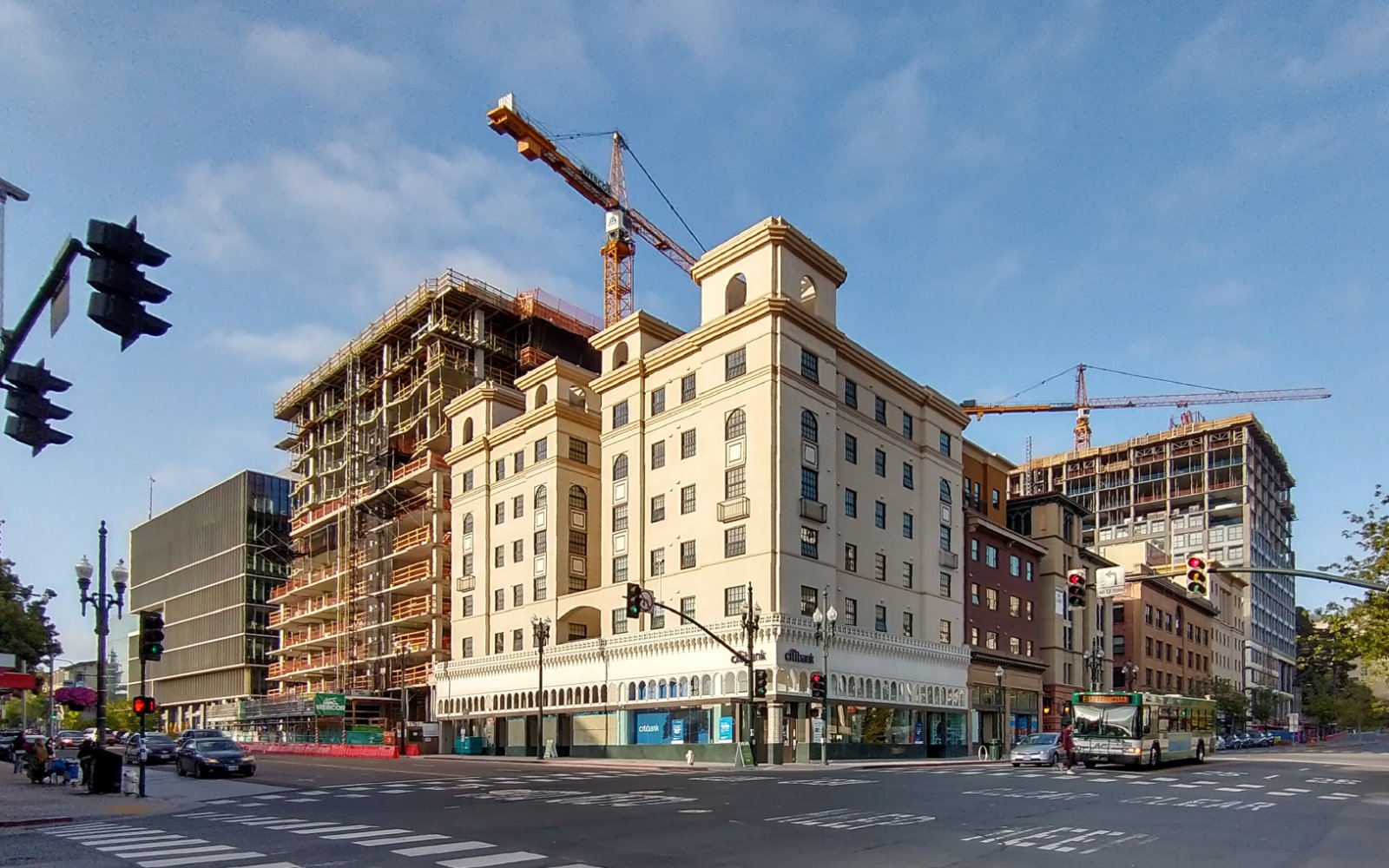
Downtown Berkeley
Metered curb space, apartment entries and active commercial blocks make the loading position the first planning decision. California Movers USA records the result in the quote assumptions and dispatch notes.
Southside and Telegraph
Student housing, compact apartments and busy pedestrian blocks require a confirmed arrival and a tightly organized carry.
North Berkeley
Permit parking, older homes and narrow driveways require a block check before the dispatcher selects the truck position.
Berkeley Hills
Grade, turning room and stairs determine truck size, carry distance and the order used to bring furniture outside.
Elmwood
Mixed residential and commercial curb use can limit staging, so California Movers USA confirms where active loading is legal.
West Berkeley
Lofts, workspaces and wider inventories require accurate item lists and a clear dock, gate or curb plan.
Claremont
Sloped approaches and larger furniture make measurements and disassembly planning especially important.
Thousand Oaks
Hillside homes and short residential blocks require a truck approach that protects driveways and keeps the street passable.
Westbrae
Bungalows, duplexes and neighborhood parking call for a direct curb-to-door plan and complete garage inventory.
Common Moves From Berkeley
Many Berkeley moves stay within the East Bay. A move between Berkeley and Oakland may cover only a few miles, but parking and building access can be completely different at delivery.
Moves into San Francisco also require a separate curb plan for the destination. For moves farther south, California Movers USA plans the drive and delivery access for Fremont or Palo Alto before dispatch. The quote reflects both addresses, the inventory and the expected carry at each property.
Moving Beyond Berkeley
A move that stays within the regional service area may still require more planning than a same-neighborhood job. California Movers USA confirms drive time, access at both ends and whether hourly or flat-rate pricing is more appropriate. The Bay Area moving service covers the broader regional operating area.
For a move outside the region, long-distance moving uses a confirmed inventory, route and service scope. A move crossing a state line is planned under the separate interstate moving service.
Popular Local Connections From Berkeley
Berkeley to a nearby East Bay city
California Movers USA verifies parking and access at both properties. A short drive does not remove the need to plan stairs, loading distance or a building move window.
Berkeley to San Francisco
The dispatcher plans the bridge approach and San Francisco delivery access separately. The quote accounts for the confirmed truck position and carry at both ends.
Berkeley to the North Bay
The inventory and property access determine crew and truck needs. California Movers USA also checks whether the delivery involves a long driveway, gate or restricted curb.
Berkeley to the South Bay
Traffic timing matters, but it does not replace property planning. California Movers USA confirms the delivery building, parking and placement instructions before dispatch.
Berkeley to another Bay Area address
California Movers USA confirms both door-to-truck paths, expected drive time and any bridge or building restrictions. The pricing model is selected from the complete two-address scope.
Licensed, Insured and Ready for Property Requirements
What the California Movers USA license and insurance mean
California Movers USA operates under CAL-T203846 and maintains company insurance for its moving operation. Licensing and company insurance are different from the shipment valuation the customer selects.
When your building needs a COI
An HOA, apartment building or commercial property may request a certificate of insurance. Send its certificate-holder wording and deadline early. California Movers USA provides the document when the requirement applies to the scheduled move.
Protection for your belongings
California Movers USA explains the available valuation options in the move documents. Customers should declare high-value items, choose the available option that fits the shipment and review the claim process before signing.
California Movers USA Compared With an Unclear Moving Booking
| Booking question | California Movers USA | Unclear booking |
|---|---|---|
| Who performs the move? | Trained in-house employees led by a foreman | Crew identity may be unknown |
| Who owns the plan? | Sales specialist, dispatcher and foreman | Details may be split across vendors |
| How is local work priced? | Written hourly or flat-rate model with scope | Rate may omit access or service assumptions |
| What is included? | Named services and protection steps | General promise without a list |
| What happens after a change? | Explanation and approval before added work | Added work may appear only on the final bill |
Berkeley Moving FAQ
How much do Berkeley movers cost?
The California Movers USA standard local package is $175 per hour for two movers and one truck when that crew fits the confirmed inventory and access. A larger crew, specialty item, difficult carry or expanded scope changes the written price.
Is $175 per hour the final price for every Berkeley move?
No. It is the standard local package rate. The total depends on billable time and the confirmed scope. California Movers USA explains crew size, access assumptions and included work before booking.
Does California Movers USA charge a booking deposit?
Yes. Every move requires a booking deposit. The amount and payment timing appear in the booking documents before the customer confirms the move.
Can California Movers USA reserve parking for my move?
California Movers USA identifies whether reserved curb or meter space may be needed and records the requirement in the plan. The customer remains responsible for property or city approvals unless the written booking documents assign that task differently.
Can California Movers USA move an apartment in Berkeley?
Yes. California Movers USA plans stairs, elevators, loading areas, hallway protection and building move windows for apartment moves.
Does California Movers USA handle packing?
Yes. Customers can add full packing, partial packing or selected fragile-item packing. The quote lists the chosen work and materials.
Can California Movers USA move a piano or other heavy item?
Yes, after the item and access are reviewed. California Movers USA confirms dimensions, stairs, turns and equipment before assigning the crew and price.
Are the movers California Movers USA employees?
Yes. California Movers USA uses trained, background-checked in-house crews. A lead foreman runs moving day, supported by the dispatcher and sales specialist.
Can my building request a certificate of insurance?
Yes. Send the certificate-holder language and deadline of the building early. California Movers USA can provide a certificate of insurance for qualifying building requirements.
Can I use Afterpay for a Berkeley move?
Eligible customers may use an Afterpay-approved amount toward all or part of the balance. Afterpay decides eligibility, amount and schedule. Another accepted payment method can cover any remaining balance.
What happens if I add items after the quote?
Tell California Movers USA before move day. The sales specialist updates the inventory and explains any change to labor, truck space or price before the added work is approved.
Can California Movers USA move me from Berkeley to another California city?
Yes. California Movers USA handles short Bay Area moves and longer California routes. The pricing model depends on distance, inventory, access and the confirmed service scope.
Plan Your Berkeley Move
For a short Berkeley move, the main price drivers are usually crew time, access, inventory and readiness. California Movers USA confirms those conditions before dispatch, lists the included work and keeps the sales specialist, dispatcher and lead foreman tied to one written scope. Review more answers in the California Movers USA moving FAQ, or request a quote with both addresses and the complete inventory.
CONTACT US
105 Wilbur Ave Antioch, Antioch, CA 94509, USA
Toll Free: (415) 579-2747
Toll Free: (415) 579-2747
Monday - Saturday
8:00am - 8:00pm
Pacific Time Saturday
8:00am - 8:00pm
Pacific Time
8:00am - 8:00pm
Pacific Time Saturday
8:00am - 8:00pm
Pacific Time