
- One truck, one move Nothing is consolidated with another customer’s load.
- An exact delivery date Written into your booking documents, not a delivery window.
- A flat rate Written against a confirmed inventory, not billed by the hour.
- In-house crews California Movers USA employees load in Los Angeles and unload in San Francisco.
Send both addresses and what is moving — the written estimate follows the walkthrough.
How Moving From Los Angeles to San Francisco Works
Six steps, and what you have after each one.
- 1
Request and First Call
Both addresses, the size of the home, access at each end, your dates, and anything oversized or fragile.
Form or phoneAddresses, dates, inventoryYou getA walkthrough booked and a preliminary price range for the inventory you described. - 2
Confirmed Inventory and Written Estimate
A video walkthrough or an onsite visit confirms what is moving. The flat rate, the crew and the truck are written against that inventory.
Video or onsite walkthroughFlat rate against the inventoryYou getA written estimate in hand: the flat rate for the move, the crew size, the truck and your dates, all tied to the confirmed inventory. - 3
Packing and Preparation
All of it or only the fragile part: furniture protection, disassembly, crating. Packing sits in the estimate, not on the clock.
Full or partial packingPriced in the estimateYou getEverything packed, labeled and protected, with the packing already priced in the estimate rather than added later. - 4
Loading in Los Angeles
Permit zones on the Westside, driveways in the Valley, stairs and tight turns in the hills. The dispatcher books the curb and the elevator; the crew protects the building before anything moves.
Permit zone and elevator bookedBuilding and furniture protectedYou getThe load on the truck, the building and the elevator released, and paperwork that lists what was loaded. - 5
The Drive North
380 miles of I-5, about seven hours at the 55 mph truck limit. One truck, your load only — nothing to wait behind. Tule fog or a Grapevine closure can add a day.
380 miles on I-5One truck, nothing consolidatedYou getYour shipment on the road on a truck booked for your move alone, with the delivery date in your documents unchanged. - 6
Unloading and Placement in San Francisco
Reserved curb, stairs, a booked elevator window, a certificate of insurance where the building asks for one. The crew unloads, places boxes in the rooms you name and reassembles the furniture. The day is the date in your booking documents.
Reserved curb and COIPlaced and reassembledYou getBoxes in the rooms you named, furniture reassembled, and the load checked against the inventory before the crew leaves.
How We Run This Route

California Movers USA operates under California permit CAL-T203846 and has been moving households in California for more than ten years. Crews are our own employees, never subcontracted, and movers are background-checked and trained.
- Professional movers, not day labor The crew assigned to your move are California Movers USA employees, background-checked and trained. The company has been moving households in California for more than ten years.
- One crew, both ends The lead foreman and the movers who load in Los Angeles are the ones who unload in San Francisco. A dispatcher holds the curb and the elevator windows at both addresses, and nothing is handed to a local agent at the far end.
- One truck, one move Your shipment is the only load on board, so there is no transfer, no warehouse stop and no delivery spread to wait out.
California Movers USA has been reviewed more than 1,100 times on its Google Business Profile; Google’s own review topics count 275 mentions of friendly staff, 107 of careful handling and 47 of a smooth move.
If the dates do not line up at both ends, storage between pickup and delivery holds the shipment.
Average response time is under 10 minutes. To give Los Angeles to San Francisco movers the details needed to price your household, request a moving estimate with both addresses and your intended inventory.
Which Road We Take, and When
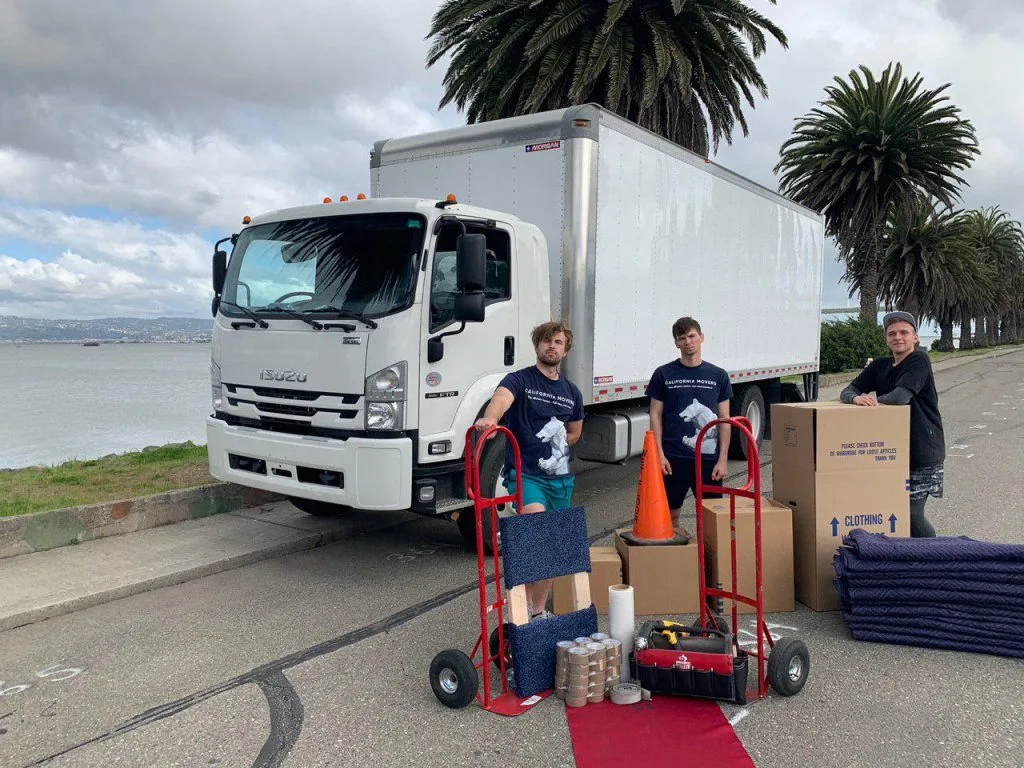
Four roads connect Los Angeles and San Francisco, and only one of them is right for a loaded household truck on any given day. The dispatcher picks the road and the departure hour for your move, against the weather and the traffic that week.
| Road | What it is | When we use it |
|---|---|---|
| I-5 over the Grapevine | About 380 miles, four lanes for most of the way, few towns | The default. Around seven hours of driving at California’s 55 mph truck limit, before stops |
| CA-99 | Parallel to I-5 through Bakersfield, Fresno and Modesto | When I-5 is blocked or backed up. Slower: town traffic, more trucks, and the worst fog-pileup record of the three |
| US-101 | Longer, two lanes for long stretches, coastal weather | The state’s own detour when the Grapevine closes in a winter storm |
| Highway 1 | Narrow, winding, with slide closures | Never for household freight |
How the departure hour is set
- Out of Los Angeles before the morning peak. A loaded truck is capped at 55 mph and must stay in the right-hand lanes, so an hour lost in city traffic is not made up on the road.
- The Central Valley in daylight, November through March. Tule fog forms overnight along I-5 and CA-99 and often holds visibility under 600 feet into the late morning. The valley leg is planned for after it lifts.
- Over the pass ahead of the weather, not into it. When the Grapevine closes in a storm, traffic is routed onto US-101 and a day disappears. If a closure is forecast, the departure moves — your delivery date does not.
- Into San Francisco outside the afternoon peak. The curb and elevator window is booked for mid-morning or early afternoon, so the crew unloads instead of waiting in traffic.
This move falls under the California Bureau of Household Goods and Services; federal interstate rules do not apply. Our long-distance moving service starts with the inventory and access details needed to plan the trip.
Truck speed limit and lane rules: California Vehicle Code sections 22406 and 21655. Fog season and visibility: National Weather Service, tule fog season 1 November to 31 March.
What the Move Costs
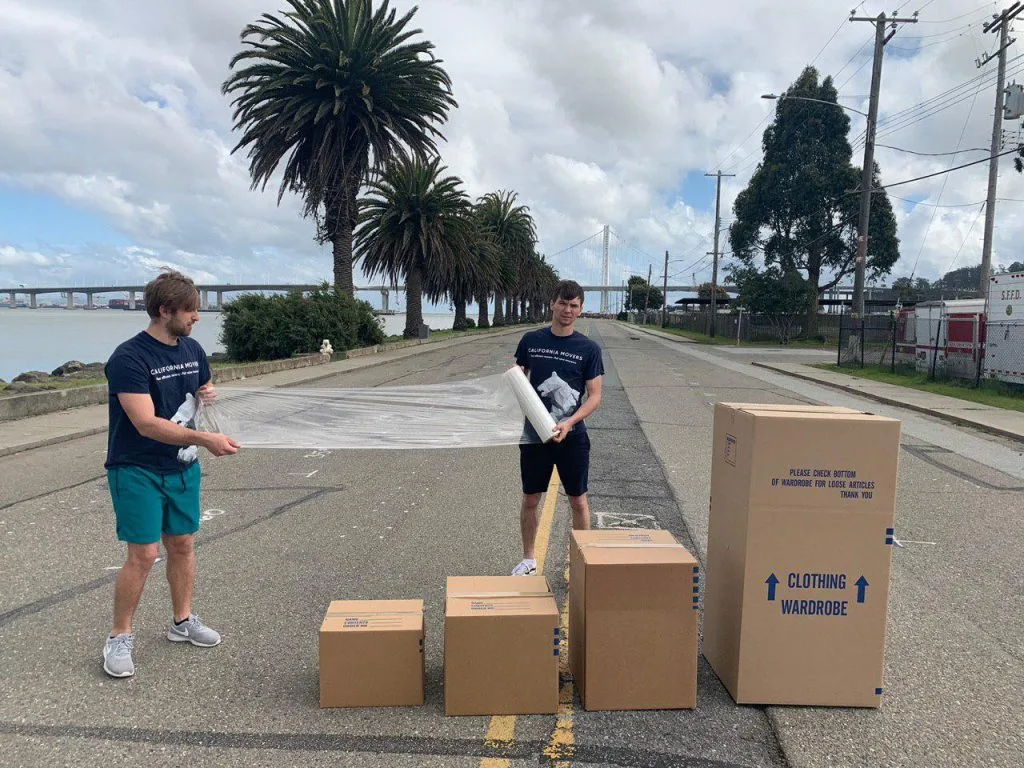
A full household on this route costs $6,500–$7,000. California Movers USA uses a flat rate against a confirmed inventory. The written scope identifies the belongings, the access conditions and the services included in that rate.
The rate changes only for a documented change of scope that you request or approve. Adding furniture, requesting packing after the estimate, or changing an address can change the work required. Any resulting scope change is documented and approved before it is carried out. Review our pricing information when comparing what each estimate includes.
Packing on this route is priced in the written estimate rather than billed by the hour. If you want professional packing services, identify the rooms or items during the inventory review so the estimate includes that work. The written scope is what supports $0 hidden fees.
A booking deposit is required for every move. Eligible customers may divide an approved amount into four payments through the installment service. After registration the provider decides eligibility and the approved amount, generally $600 to $4,000; approval is not automatic. Review the payment options before booking to see how an approved installment amount fits your payment arrangements.