Pasadena Movers
California Movers USA runs local, long-distance and interstate moves in Pasadena for houses, apartments, condos and offices. The crews are our own employees and the trucks are ours, so the people who survey the job are the people who do it.
Pasadena rewards planning. A Craftsman bungalow on a narrow street in Bungalow Heaven, a 1920s courtyard apartment in Madison Heights and a mid-rise office on Green Street each need a different parking plan, a different carry path and a different amount of time. We settle those details before the truck is loaded, not on the morning of the move.
GET A FREE QUOTE NOW!
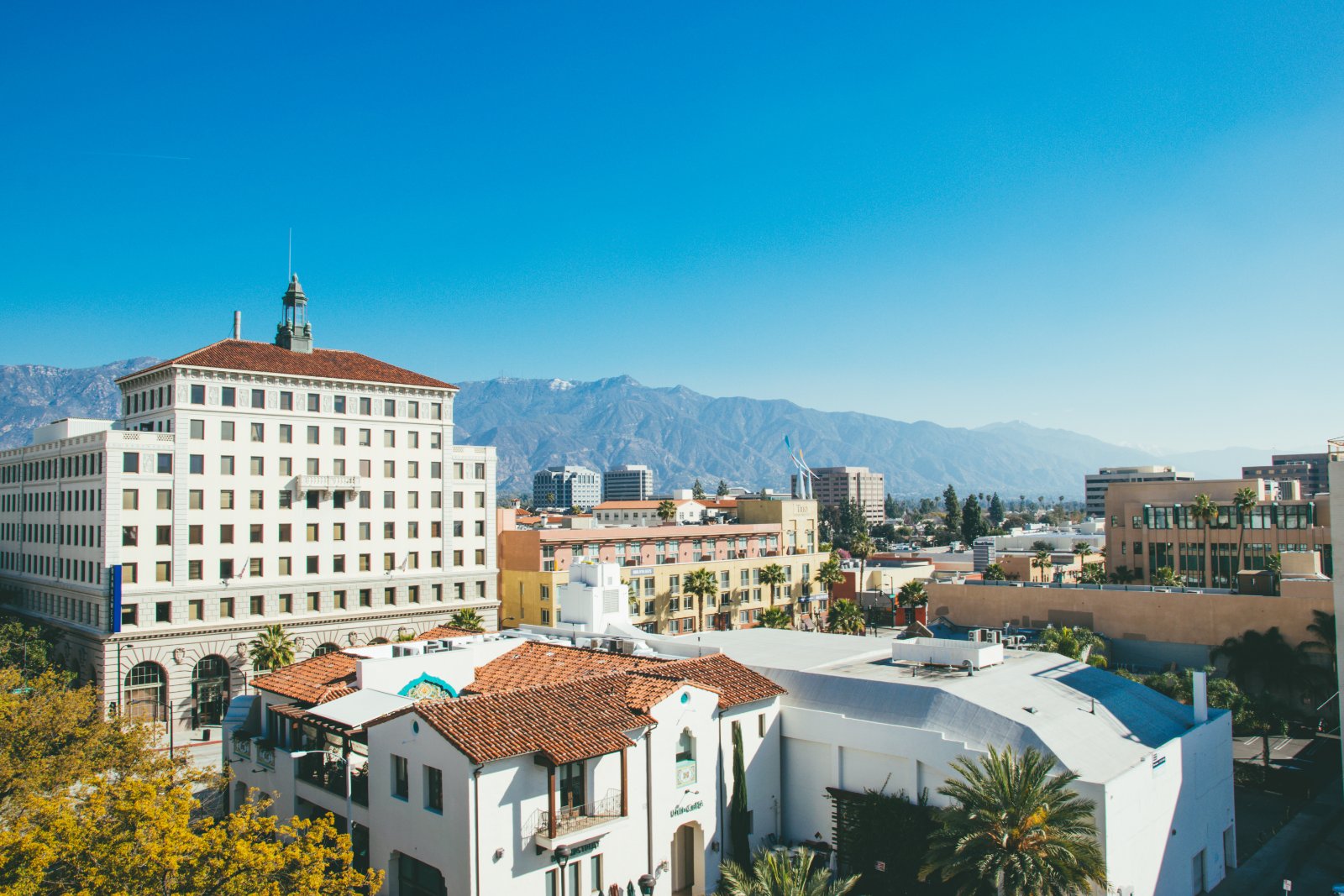
Photo: Experimental626 / Wikimedia Commons, CC BY-SA 4.0.
Pasadena Moving Takes Local Planning
Most of the difficulty in a Pasadena move sits in the last hundred feet. The city mixes century-old residential blocks with dense mid-rise districts, and the two fail in different ways. On the older streets the problem is width, mature street trees and driveways that will not take a full-size truck. In the commercial districts the problem is a loading zone that is already occupied, a garage with a low clearance bar and a single service elevator shared with every other tenant in the building.
Parking the truck legally
Pasadena treats moving vehicles as a traffic matter, not just a parking one. According to the city’s Moving Vehicle Parking Permit Application, moving vehicles 25 feet long or less do not require a permit, but a traffic review is required for every moving vehicle request. Anything longer than 25 feet needs the permit. Applications are submitted at least 10 days before the moving date; later than that and an expedited fee is added.
Where the curb has to be cleared, the city issues temporary no-parking signs at $1.50 per sign, plus meter and street-usage fees where they apply. The signs must be posted at least 24 hours in advance and registered by phone with Parking Enforcement at (626) 744-6440. A sign posted the same morning does not give the city grounds to ticket or tow a car that is already parked there, which is why we treat the 24-hour posting as a hard deadline rather than a formality.
Buildings with their own rules
Condo and apartment buildings around Playhouse Village, South Lake and Old Pasadena usually add their own layer: a certificate of insurance naming the HOA, a reserved elevator window, an approved service entrance and, in a few buildings, a ban on moves at weekends. We collect those requirements during the survey and book the elevator before the date is confirmed, because a crew waiting for a lift is billed time that moves nothing.
Timing around traffic and events
Colorado Boulevard, Lake Avenue, Fair Oaks Avenue and the 210 and 134 corridors all slow down predictably. Tournament of Roses week closes streets outright across the parade route and the Rose Bowl area, and large events at the stadium change access for the whole Arroyo Seco side of the city. We check the calendar against the move date and shift start times rather than absorbing the delay on the clock.
Why Pasadena Customers Choose California Movers USA
Clear hourly or flat-rate pricing
Most short local moves use hourly pricing. California Movers USA states the crew, truck and included work before booking. A flat rate may be used when a larger or defined scope is better priced as one confirmed job. The California Movers USA pricing policy explains where each model applies.
Trained in-house movers
California Movers USA does not hand the job to a marketplace crew. Movers are company employees who are trained, background-checked and directed by a lead foreman.
One team from planning to placement
The sales specialist owns scope, the dispatcher owns logistics, and the foreman owns execution. Changes move through the same operating chain, so the crew arrives with the confirmed version of the move.
Reviews and operating proof
California Movers USA has 10+ years in operation, 15,000+ completed moves and a 4.9 rating across 1,050+ reviews. These facts support the operating system behind the written scope, assigned crew and move-day contacts.
Pasadena Moving Costs
When hourly pricing makes sense
Hourly pricing fits local moves when time depends on stairs, walking distance, elevators, packing readiness or furniture disassembly. The standard package is $175 per hour for two movers and one truck when that crew is appropriate.
When flat-rate pricing makes sense
A flat rate may fit a larger household, a defined multi-stop move or a job with a confirmed inventory and access plan. The price applies to that written scope. Unlisted rooms, stops or services require review.
What can change the price
The total can change when the customer adds inventory, packing, storage, a stop, a specialty item or materially different access. California Movers USA documents the change and obtains approval before added work. The moving quote guide explains how inventory, access and services become a written estimate.
What Is Included With Pasadena Move
The standard package names the work instead of hiding it behind "all included." Depending on the confirmed scope, it includes:
- trained in-house movers and a lead foreman;
- sales and dispatch coordination;
- truck, labor and standard moving equipment;
- furniture disassembly and reassembly;
- furniture and mattress protection;
- protection for TVs, mirrors, artwork and electronics;
- floor, wall, doorway, corner and hallway protection as needed;
- loading, local transport, unloading and placement;
- three reusable wardrobe boxes with no return requirement.
Parking charges, special building fees, specialty handling, storage or customer-requested additions are stated when they apply. California Movers USA does not add material work without explaining the change.
Property Types We Move in Pasadena
Craftsman bungalows and older single-family homes
Narrow lots, deep porches, tight interior stairs and original woodwork. We pad door frames and stair rails, break down what is safer carried in pieces, and park where the carry path is shortest rather than where the truck fits most easily.
Courtyard and garden apartments
Many of Pasadena’s 1920s and 1930s buildings put the unit at the far end of a courtyard with no direct vehicle access. That distance is measurable and we measure it, because it is the single biggest driver of how long an apartment move actually takes.
Mid-rise condos and modern apartment buildings
Reserved elevator, certificate of insurance, protected lobby floor and a loading dock with a booking window. Handled in advance, these buildings are among the fastest moves in the city.
Hillside homes in the San Rafael Hills
Steep driveways, switchbacks and turning circles a 26-foot truck cannot use. We shuttle with a smaller vehicle where that is the safer answer and price it openly instead of discovering it on the day.
Offices and professional suites
Desks, files, servers and shared building access. Most Pasadena office moves run after hours or over a weekend, coordinated with building management and with IT so the first working morning is not spent looking for equipment.
Student and short-term moves
Caltech, Fuller and Art Center create a steady flow of small, time-sensitive moves. These are quoted hourly, with two movers where that is genuinely enough.
What Happens When Local Details Are Missed
An unverified curb can force a longer carry. A missing gate code can hold the truck outside. An undisclosed stair flight can change crew time. California Movers USA addresses these risks during inventory and access review, then puts the working assumptions in the quote and dispatch notes.
If conditions differ materially from the confirmed scope, the foreman pauses the affected work and contacts dispatch. The customer receives a clear explanation before approving any change.
Moving Services Available in Pasadena
Local moving
California Movers USA handles local moving for apartments, houses, condominiums and short city-to-city moves. The plan covers access at pickup and delivery.
Apartment moving
For apartment moves, California Movers USA confirms stairs, elevators, loading areas, building hours and protection requirements.
Packing
Packing services can cover the whole home, selected rooms or fragile items. The chosen materials and labor are listed in the scope.
Furniture moving
Furniture movers handle disassembly, wrapping, transport, reassembly and placement for the pieces named in the quote.
Piano moving
Piano moving requires the instrument type, dimensions and access at both properties. California Movers USA confirms the crew and equipment before booking.
Storage
When move-out and move-in do not line up, moving and storage coordination can be added to the written plan.
How Pasadena Move Works
1. Tell us about the move
Share both addresses, the date, home size, inventory and known access conditions. Sela may return a starting quote in under two minutes after the required information is entered. It is a starting figure, not the final written price.
2. Verify the inventory and access
California Movers USA reviews the list by phone, video walkthrough, onsite inspection or a practical combination. Garages, storage areas, stairs, elevators and long carries are included.
3. Review the written quote
The quote states the pricing model, crew, truck, included services and assumptions. The customer can ask questions before approving it.
4. Reserve the move
A booking deposit is required. California Movers USA accepts standard payment methods, and the booking documents state the timing and instructions.
5. Prepare the operating plan
The dispatcher confirms the route, truck position, building contact, arrival window and special equipment. The foreman receives the plan before arrival.
6. Protect, load and transport
The crew protects the property and listed belongings, disassembles approved furniture, loads in a controlled order and transports the shipment.
7. Reassemble and place
At delivery, the crew unloads, reassembles included pieces and places items in the requested rooms. The foreman closes the job against the agreed scope.
Planning Pasadena Move?
Send the addresses, date, inventory and access details through California Movers USA contact options. California Movers USA will identify the pricing model, required planning steps and included crew package before you reserve the move.
Eligible customers may apply an Afterpay-approved amount to all or part of the balance. Afterpay controls approval, amount and schedule. The remaining balance can be paid with another accepted method. The deposit and payment guide explains the process and current disclosures.
Areas We Serve in Pasadena
Old Pasadena
Historic commercial blocks, alleys used for service access and metered parking on almost every street. Loading here is scheduled early, before the retail and restaurant traffic starts, and the curb is reserved rather than hoped for.
Playhouse Village
Mid-rise residential and office buildings with garages, service elevators and formal move-in rules. We book elevator time and confirm clearance heights before the truck is assigned.
Bungalow Heaven
A landmark district of early Craftsman homes on narrow, tree-lined streets. Trucks park where the branches allow, and protection for original floors, porches and door casings is part of the standard plan, not an extra.
Madison Heights
Larger period homes and long driveways south of the freeway. Access is usually good; the work is in careful handling of antique and oversized furniture.
San Rafael Hills
Steep, curving streets on the west side of the Arroyo. Turning space is the constraint. We survey the approach before committing a full-size truck to it.
East Pasadena
Post-war single-family homes with driveways and garages, plus newer condo developments along the eastern boundary. Straightforward loading and predictable timing.
South Lake area
Apartment towers, medical suites and offices along Lake Avenue. Loading zones are shared and short; a reserved window matters more here than in most of the city.
Lamanda Park
A mix of small homes, duplexes and apartments near the eastern edge. Quiet streets, but many second-floor units without elevators.
Northwest Pasadena
Residential blocks with a wide range of housing, from small bungalows to multi-unit buildings. Parking is generally available; the plan depends on the individual property rather than the district.
Moves Connected to Pasadena
Pasadena rarely moves in isolation. A large share of our work here starts or ends somewhere else in the San Gabriel Valley or on the Los Angeles side of the hills.
Moves within the wider county are planned as Los Angeles County jobs, with route timing built around the freeway pattern for that hour. West of the Arroyo, Glendale is close in distance and often slow in practice, because the 134 corridor between the two cities carries the delay. To the south, Alhambra moves are short enough to complete in a single day, including disassembly and reassembly. North across the hills, Burbank jobs are common where work brings people over the ridge, and the drive changes materially depending on whether the move runs mid-morning or in the afternoon peak.
Moves into central Los Angeles follow the same logic in reverse: the distance is modest, the access at the receiving end usually is not, and the schedule is built around the harder of the two addresses.
Common Pasadena Moving Patterns
Bungalow to bungalow within the city
A short move on paper that takes a full day in practice. Two older houses mean two sets of narrow stairs, two tight carry paths and furniture that has to come apart at both ends.
Apartment to first house
Usually a step up in volume and in access. The apartment side is the constraint — courtyard distance, stairs, elevator booking — while the house side is mostly a question of where the truck can stand.
House to condo, downsizing
The most common Pasadena move for long-term residents. It works when the inventory is cut before the date, not after the truck arrives, so the survey includes an honest conversation about what fits in the new floor plan.
Move into a mid-rise with a booked elevator
The fastest category in the city when the paperwork is done: insurance certificate filed, elevator reserved, dock window confirmed, lobby protected. The same move without those four items can take twice as long.
Pasadena to elsewhere in Southern California
A regional move where the drive is a real part of the day. We confirm access at the destination before the truck loads, so the crew is not waiting at the far end for a gate code or a building manager.
Licensed, Insured and Ready for Property Requirements
What California Movers USA's license and insurance mean
California Movers USA operates under CAL-T203846 and maintains company insurance for its moving operation. Licensing and company insurance support the business operation; the move documents separately explain the customer's available shipment valuation choices.
When your building needs a COI
An HOA, apartment building or commercial property may request a certificate of insurance. Send its certificate-holder wording and deadline early. California Movers USA provides the document when the requirement applies to the scheduled move.
Protection for your belongings
California Movers USA explains the available valuation choices in the move documents. Customers should declare high-value items, select the available option that fits the shipment and review the claim process before signing.
California Movers USA Compared With an Unclear Moving Booking
| Booking question | California Movers USA | Unclear booking |
|---|---|---|
| Who performs the move? | Trained in-house employees led by a foreman | Crew identity may be unknown |
| Who owns the plan? | Sales specialist, dispatcher and foreman | Details may be split across vendors |
| How is local work priced? | Written hourly or flat-rate model with scope | Rate may omit access or service assumptions |
| What is included? | Named services and protection steps | General promise without a list |
| What happens after a change? | Explanation and approval before added work | Added work may appear only on the final bill |
Pasadena Moving FAQs
How much do Pasadena movers cost?
California Movers USA's standard local package is $175 per hour for two movers and one truck when that crew fits the confirmed inventory and access. A larger crew, specialty item, difficult carry or expanded scope changes the written price.
Is $175 per hour the final price for every Pasadena move?
No. It is the standard local package rate. The total depends on billable time and the confirmed scope. California Movers USA explains crew size, access assumptions and included work before booking.
Does California Movers USA charge a booking deposit?
Yes. Every move requires a booking deposit. The amount and payment timing appear in the booking documents before the customer confirms the move.
Can California Movers USA reserve parking for my move?
California Movers USA identifies whether reserved curb or meter space may be needed and records the requirement in the plan. The customer remains responsible for city, county or property approvals unless the booking documents assign that task differently.
Can California Movers USA move an apartment in Pasadena?
Yes. California Movers USA plans stairs, elevators, loading areas, hallway protection and building move windows for apartment moves.
Does California Movers USA handle packing?
Yes. Customers can add full packing, partial packing or selected fragile-item packing. The quote lists the chosen work and materials.
Can California Movers USA move a piano or other heavy item?
Yes, after the item and access are reviewed. California Movers USA confirms dimensions, stairs, turns and equipment before assigning the crew and price.
Are the movers California Movers USA employees?
Yes. California Movers USA uses trained, background-checked in-house crews. A lead foreman runs moving day, supported by the dispatcher and sales specialist.
Can my building request a certificate of insurance?
Yes. Send the building's certificate-holder language and deadline early. California Movers USA can provide a certificate of insurance when the requirement applies to the scheduled move.
Can I use Afterpay for Pasadena move?
Eligible customers may use an Afterpay-approved amount toward all or part of the balance. Afterpay decides eligibility, amount and schedule. Another accepted payment method can cover any remaining balance.
What happens if I add items after the quote?
Tell California Movers USA before move day. The sales specialist updates the inventory and explains any change to labor, truck space or price before the added work is approved.
Can California Movers USA move me from Pasadena to another state?
Yes. California Movers USA handles interstate moves with a verified inventory, route and written service scope. Interstate work is planned separately from a local hourly move.
Plan Your Pasadena Move
The main price drivers are crew time, access, inventory and readiness. California Movers USA confirms those conditions before dispatch, lists the included work and keeps the sales specialist, dispatcher and lead foreman tied to one written scope. Review more answers in the California Movers USA moving FAQ, or request a quote with both addresses and the complete inventory.
CONTACT US
1010 Hyde St, San Francisco, CA 94109, USA
Toll Free: (415) 579-2747
Toll Free: (415) 579-2747
Monday - Saturday
8:00am - 8:00pm
Pacific Time Saturday
8:00am - 8:00pm
Pacific Time
8:00am - 8:00pm
Pacific Time Saturday
8:00am - 8:00pm
Pacific Time