Santa Rosa Movers
California Movers USA plans local Santa Rosa moves around the real pickup and delivery conditions. A Santa Rosa move can involve downtown meters, residential permit areas, long driveways and an inventory spread through garages and outbuildings. We check the loading position, the property layout and the complete item list before dispatch, and the customer, dispatcher and lead foreman all work from the same written scope.
The rate covers the truck, labor, standard equipment, basic furniture disassembly and reassembly, furniture protection, loading, transport, unloading and placement. California Movers USA is licensed and insured under CAL-T203846.
GET A FREE QUOTE NOW!
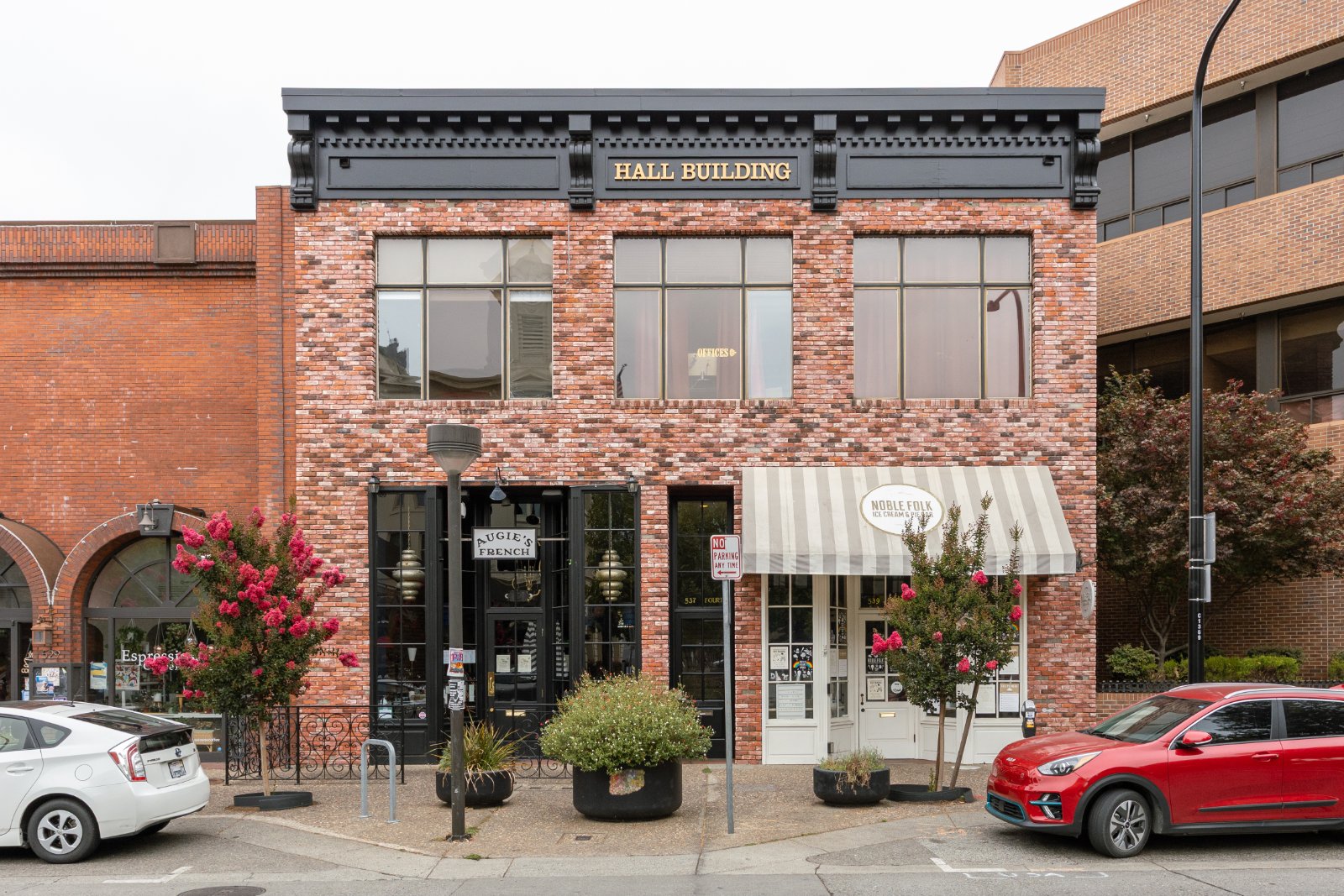
Photo: E bailey / Wikimedia Commons, CC0.
Santa Rosa Moving Takes Local Planning
Downtown meters and reserved space
A downtown truck position usually means specific metered spaces rather than any open curb. We ask for the meter numbers, the loading distance and the building access during planning.
The city allows on-street meters and certain lot spaces to be reserved, and its meter reservation guidance asks for requests at least 72 hours in advance. Meter numbers are printed on the street side of each meter, reserved spaces are posted as “No Parking” so nobody else takes them on the day, and the daily charge depends on whether the space sits in the value or premium area. If a reservation is needed, the deadline is identified before move day and the approved spaces go into the dispatch plan.
Long driveways and rural-edge properties
Properties toward the edge of the city have narrow driveways, gates and limited turnaround space. We review vehicle clearance and the distance to the door, the dispatcher picks the practical truck position, and any material carry assumption is written into the quote rather than left to the day.
Garages, sheds and outdoor inventory
A household list routinely misses garage racks, patio furniture, tools and a detached shed. Those areas are included in the video or onsite walkthrough, and the sales specialist updates volume, crew and truck space before the customer approves the scope.
Summer heat and wet-season conditions
Inland heat in summer and rain in winter both change staging and property protection. The lead foreman controls what goes outside and when, and floor runners, doorway protection and loading order are assigned to the conditions expected at the property.
Why Santa Rosa Customers Choose California Movers USA
Written hourly or flat-rate pricing. Most short local moves are hourly; a larger or defined scope may be quoted as one flat job. Where each applies is set out in the pricing policy.
In-house crews. Movers are our own employees, trained, background-checked and led by a foreman. The job is not handed to a marketplace crew.
One chain of responsibility. A sales specialist owns the scope, a dispatcher the logistics, a foreman the day. Changes travel the same chain, so the crew arrives with the confirmed version of the move.
Operating record. 10+ years in operation, 15,000+ completed moves and a 4.8 rating across 1,150+ reviews.
Santa Rosa Moving Costs
The standard local package is $175 per hour for two movers and one truck, or $270 for four, with a three-hour minimum that is our own booking policy rather than a state requirement. Hourly suits a move where time turns on stairs, carry distance, elevators and packing readiness. A flat rate suits a larger household or a defined multi-stop job with a confirmed inventory and access plan.
What moves the total: added inventory, packing, storage, an extra stop, a specialty item, or access materially different from what was described. Each of those is documented and approved before the work happens. How a scope becomes a written estimate is set out in the moving quote guide.
Santa Rosa Property Types We Move
Downtown apartments and the blocks around Railroad Square turn on metered curb and the building’s loading arrangement rather than on stairs alone. Single-family homes across Bennett Valley, Rincon Valley and Roseland are usually straightforward at the kerb and long on inventory. Properties with long driveways — common on the rural edge and up towards Fountaingrove — turn on grade, turning room and whether a full-size truck can reach the door or has to shuttle. Condos and managed communities bring HOA rules, a booked move window and sometimes a certificate of insurance. Homes with garages, sheds or outbuildings hold a surprising share of the load, so the walkthrough counts those. Offices, wineries and local businesses add operating hours, dock access and a loading order that keeps the business able to open.
Moving Services Available in Santa Rosa
Each of these is planned around access at both ends: local moving, apartment moving, packing, furniture moving, piano moving, and storage when move-out and move-in do not line up.
Santa Rosa Neighborhoods We Serve
Downtown Santa Rosa
Meter numbers, reserved spaces, apartment access and business hours shape the loading plan, and the result goes into the quote assumptions and dispatch notes.
Railroad Square
Historic buildings and active commercial blocks. Entry measurements and a legal truck position are settled before the day.
Junior College
Parking demand and compact rentals. Clear timing, a room-by-room inventory and a short door-to-truck path matter more than truck size.
Bennett Valley
Homes with garages, slopes and larger inventories that need a complete walkthrough before the truck is assigned.
Rincon Valley
Driveways, side yards and household storage areas, all included in the inventory and the carry plan.
Fountaingrove
Hillside approaches, gates and larger homes calling for clearance checks and an ordered loading plan.
Roseland
Busy roads and varied residential access, so the final truck position is an address-specific decision.
Oakmont
Community rules, senior move coordination and careful room placement. Early contact with the property is essential.
West End
Older homes with narrow interior turns and neighborhood parking. Measurements and protection notes are taken before arrival.
Common Moves From Santa Rosa
South to Vallejo or on into Oakland, the job changes at the delivery end: the driveway disappears and contested curb, stairs and building rules take over. Into San Francisco, dispatch plans the arrival window and parking on the delivery side, because the 101 run and the city kerb are two different problems. Moves within Sonoma County are short on mileage and long on access — a gate, a grade, a driveway a truck cannot turn in. Regional work sits under Bay Area moving.
Further out, the move is quoted as long-distance, and one crossing a state line under interstate moving.
Licensed, Insured and Ready for Property Requirements
We operate under CAL-T203846 and carry company insurance for the moving operation. If an HOA, apartment building or commercial property needs a certificate of insurance, send its certificate-holder wording and deadline early and we issue it for the scheduled move. Valuation for the shipment itself is a separate matter, set out in the move documents: declare high-value items, choose the option that fits the shipment and read the claim process before signing.
Santa Rosa Moving FAQs
How much do Santa Rosa movers cost?
The total depends on billable time and the confirmed scope rather than on a headline figure: a larger crew, a specialty item or a difficult carry each change the written price. The hourly and flat-rate figures are in the costs section above.
Do I need reserved curb space for a move in downtown Santa Rosa?
On a metered or time-limited block, usually yes — without it the truck ends up parked a long carry from the door, and that carry is billed time. We identify whether reserved curb or meter space is needed and record it in the plan; the city application itself stays with you unless the booking documents assign it differently. Rates and lead times are set by the city and change, so check the current figures with Santa Rosa parking services rather than relying on a number on a mover’s website.
Can you reach a house at the end of a long rural driveway?
Usually, and the answer depends on three things we check beforehand: the grade, the turning room at the top, and the surface after rain. Where a full-size truck cannot make it, the move is planned as a shuttle — a smaller vehicle between the house and the truck — which costs time rather than making the job impossible. Tell us the driveway length and whether a delivery truck has managed it before, and we size the equipment to that instead of discovering it on the morning.
Can you move me from Santa Rosa to another state?
Yes, under interstate moving, which is planned from a verified inventory, route and written scope rather than billed by the hour.
CONTACT US
1377 Cleveland Ave, Santa Rosa, CA 95401, USA
Toll Free: (415) 579-2747
Toll Free: (415) 579-2747
Monday - Saturday
8:00am - 8:00pm
Pacific Time Saturday
8:00am - 8:00pm
Pacific Time
8:00am - 8:00pm
Pacific Time Saturday
8:00am - 8:00pm
Pacific Time