Antioch Movers
Local and Long-Distance Movers in Antioch, California
California Movers USA plans Antioch moves around the full household and the actual truck approach. Garages, patios, gated communities and hillside streets can add more work than the drive itself. California Movers USA verifies both addresses, every storage area and the legal loading position before dispatch, then gives the crew one written plan.
The rate covers the truck, labor, standard equipment, basic furniture disassembly and reassembly, furniture protection, loading, transport, unloading and placement. A sales specialist confirms the scope, a dispatcher builds the operating plan, and a lead foreman runs moving day.
GET A FREE QUOTE NOW!
What our beloved customers are saying
Kelly
Customer
Kevin Finch
Manager
From:
San Francisco
To:
Antioch
Yelp
I recently moved from San Francisco. No gimmicks. No surprises. My movers were on time, professional, friendly and actually fun to work with. These guys do not mess around. I would definitely use California Movers again! We are so grateful!
Brandon Phillips
Customer
Alexis Wright
Manager
From:
Antioch
To:
San Francisco
Yelp
I booked California Movers at the last minute, but they managed and planned a schedule so that the process would be easy for me. The team was phenomenal, effective, and professional. I will book them for my next move too.
Dominika Ross
Customer
Alexis Wright
Manager
From:
Antioch
To:
San Francisco
Yelp
California Movers strike out my fear of moving, they made my journey easy by taking care and planning everything before the move. I will recommend everyone to use their services.
Ericka
Customer
Shawn Williams
Manager
From:
Antioch
To:
San Francisco
Yelp
hey were polite, professional and fairly quick. Our movers tackled and difficult stairwell without a scratch on anything. They were some of the nicest and most professional people I ever met!! I would highly recommend them if you are moving anywhere.
Frances
Customer
Shawn Williams
Manager
From:
San Francisco
To:
Antioch
Yelp
I had great experience with the California Moving company. I knew they would be good when I booked them due to previous reviews from friends! There was a pleasure to work with them. Nothing was damaged and the movers were so helpful and efficient! They weren’t only careful with my stuff, they treated it like it was their own. I’d highly recommend California Movers!
Antioch Moving Takes Local Planning
Truck routes and residential approaches
Larger trucks are expected to travel designated routes before turning off to reach a destination. California Movers USA plans the main approach and then checks the final residential street, driveway and turning space. The driver receives both parts before move day.
Gated and master-planned communities
Communities near Lone Tree Way and Deer Valley may require gate access, HOA instructions or an approved loading location. The sales specialist gathers the rules, dispatch confirms entry, and the foreman arrives with the access plan.
Inland heat and exposed carries
Hot inland conditions can affect crew pacing and items left outside. California Movers USA checks the forecast, stages loading in a controlled order and keeps sensitive belongings from waiting at the curb. When the schedule allows, dispatch may set an earlier start for a large exposed carry.
Garages, patios and complete inventory
Antioch homes often use garages, sheds and patios as active storage. California Movers USA includes those spaces in the video or onsite walkthrough. The quote and truck assignment use the full list so move day does not begin with an unexpected second load.
Work that encroaches on the public right-of-way in Antioch is handled through the City's permit process; the City of Antioch accepts encroachment and other permit applications through its online permitting system. California Movers USA plans the operating route and flags when the planned truck position may need City review, while the City controls approval and enforcement.
Why Antioch Customers Choose California Movers USA
Written hourly or flat-rate pricing. Most short local moves are hourly; a larger or defined scope may be quoted as one flat job. Where each applies is set out in the pricing policy.
In-house crews. Movers are our own employees, trained, background-checked and led by a foreman. The job is not handed to a marketplace crew.
One chain of responsibility. A sales specialist owns the scope, a dispatcher the logistics, a foreman the day. Changes travel the same chain, so the crew arrives with the confirmed version of the move.
Operating record. 10+ years in operation, 15,000+ completed moves and a 4.8 rating across 1,150+ reviews.
Antioch Moving Costs
The standard local package is $149 per hour for two movers and one truck, and $50 per hour for each additional mover, with a three-hour minimum that is our own booking policy rather than a state requirement. Hourly suits a move where time turns on stairs, carry distance, elevators and packing readiness. A flat rate suits a larger household or a defined multi-stop job with a confirmed inventory and access plan.
What moves the total: added inventory, packing, storage, an extra stop, a specialty item, or access materially different from what was described. Each of those is documented and approved before the work happens. How a scope becomes a written estimate is set out in the moving quote guide.
Antioch Property Types We Move
Apartments and townhomes turn on stairs, the loading area and the building’s move window. Gated and master-planned communities need the gate code, the approved truck route inside the development and whatever the HOA requires in writing. Single-family homes with garages usually hide half the inventory in the garage, on the patio and in the side yard, so the walkthrough counts those rooms too. Hillside and long-driveway homes turn on grade, turning room and how far the truck can get from the door. Senior communities have their own access hours and lift arrangements. Offices, retail and neighbourhood businesses add operating hours, dock or gate access, and a sequence for furniture, files and electronics.
Moving Services Available in Antioch
Each of these is planned around access at both ends: local moving, apartment moving, packing, furniture moving, piano moving, and storage when move-out and move-in do not line up.
Other types of moves
Every type of move is available in Antioch: California Movers USA also handles long-distance moving and routes that cross a state line, office and commercial relocations, senior and military moves, appliance and specialty items, and same-day or emergency jobs.
Antioch Neighborhoods We Serve
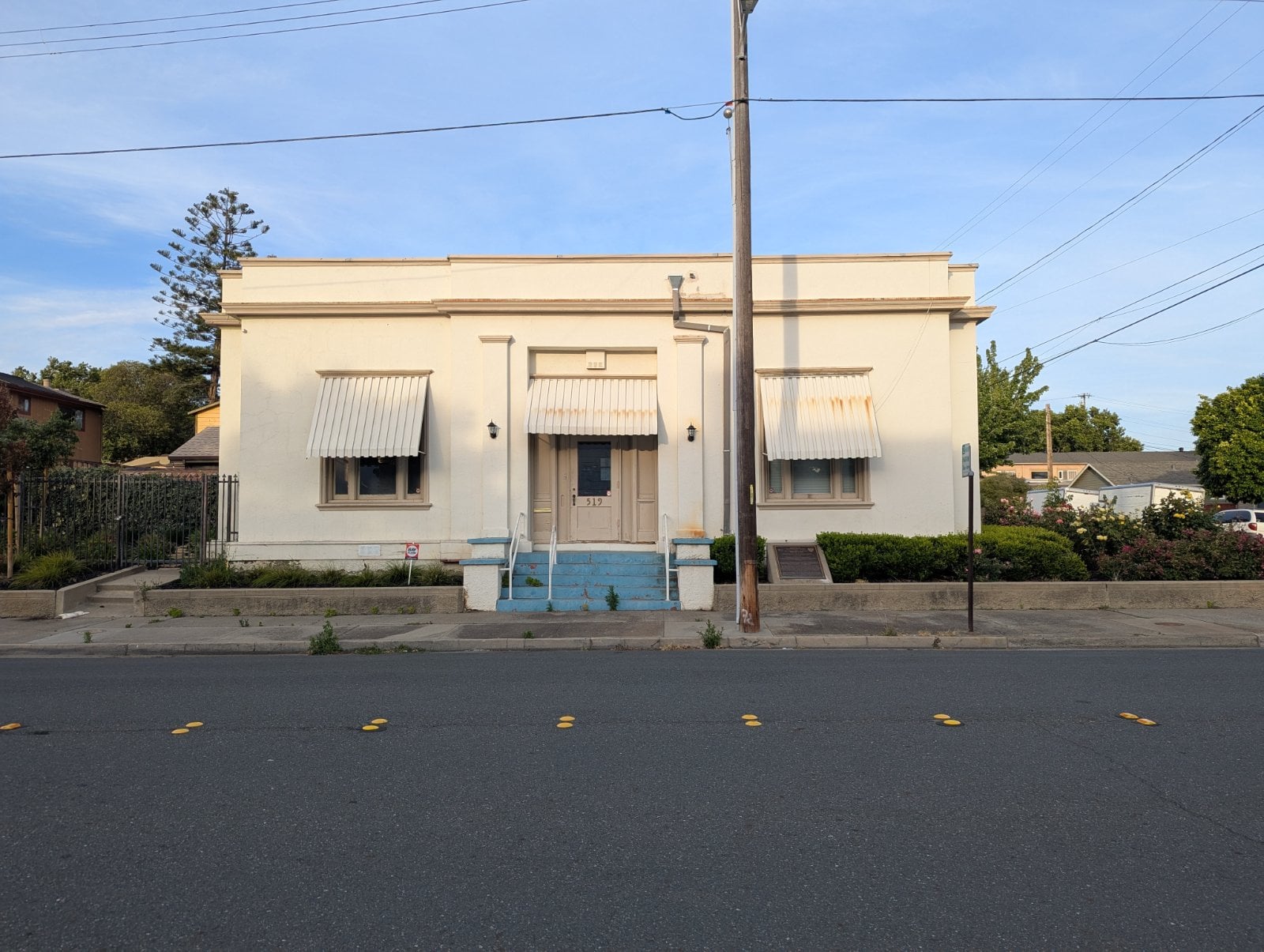
Photo: Mliu92 / Wikimedia Commons, CC BY-SA 4.0.
Downtown Antioch and Rivertown
Older properties, active commercial blocks and limited curb positions require a confirmed loading point and doorway plan. California Movers USA records both before dispatch.
Hillcrest
Apartments, townhomes and residential streets can create different carry lengths. California Movers USA checks the exact entrance, stairs and truck position.
Lone Tree
Managed communities and busy access roads make gate instructions and arrival timing part of the operating plan.
Deer Valley
Larger homes, garages and gated properties require a complete walkthrough and a confirmed driveway plan before truck assignment.
Southeast Antioch
Newer residential areas may combine garages, patios and HOA access. California Movers USA verifies the complete inventory and entry instructions.
Mira Vista
Hills and longer residential approaches can change the carry path. California Movers USA reviews the slope and legal truck position before setting crew time.
Country Hills
Single-family homes often include garage and outdoor inventory. California Movers USA adds every area to the list before selecting the truck.
Black Diamond
Hillside access, driveways and larger household loads require a verified approach and controlled loading sequence.
Prewett Ranch
Driveways, garages and community rules are included in the scope before the crew is scheduled.
Common Moves From Antioch
Short moves to Concord run on the same inland conditions at both ends: gates, long driveways and a full garage. Into Oakland or Berkeley the job changes character — contested curb, stairs and building rules replace the driveway, and the drive west is long enough that start time matters. Into San Francisco, dispatch also plans bridge timing and parking on the delivery side. On a summer move the exposed carry from door to truck is the part that costs time, so crews are sized for it rather than for the mileage.
Further out, the move is quoted as long-distance, and one crossing a state line under interstate moving.
Licensed, Insured and Ready for Property Requirements
We operate under CAL-T203846 and carry company insurance for the moving operation. If an HOA, apartment building or commercial property needs a certificate of insurance, send its certificate-holder wording and deadline early and we issue it for the scheduled move. Valuation for the shipment itself is a separate matter, set out in the move documents: declare high-value items, choose the option that fits the shipment and read the claim process before signing.
Antioch Moving FAQs
How much do Antioch movers cost?
The total depends on billable time and the confirmed scope rather than on a headline figure: a larger crew, a specialty item or a difficult carry each change the written price. The hourly and flat-rate figures are in the costs section above.
Can you move inside a gated or master-planned community in Antioch?
Yes, and it is worth sorting the paperwork before the date is fixed. Most developments want the gate code or a visitor pass for the truck, a route inside the community that a loaded truck can actually take, and sometimes a certificate of insurance naming the HOA. Send us whatever the association asks for and we issue the certificate for the scheduled move; the booking itself goes smoother when that request arrives weeks ahead rather than days.
Does Antioch summer heat change how you plan a move?
It changes the crew size and the schedule more than the price. Inland Antioch regularly runs well above Bay Area temperatures, and on an exposed carry — a long driveway, a patio, a garage with no shade — that slows a crew and raises the risk to both people and furniture. We plan those jobs for an early start and size the crew so the carry stays short, instead of letting a two-mover booking stretch into the afternoon.
Can you move me from Antioch to another state?
Yes, under interstate moving, which is planned from a verified inventory, route and written scope rather than billed by the hour.
CONTACT US
105 Wilbur Ave Antioch, Antioch, CA 94509, USA
Toll Free: (415) 579-2747
Toll Free: (415) 579-2747
Monday - Saturday
8:00am - 8:00pm
Pacific Time Saturday
8:00am - 8:00pm
Pacific Time
8:00am - 8:00pm
Pacific Time Saturday
8:00am - 8:00pm
Pacific Time