Moving to San Jose: A Relocation Guide
San Jose is suburban in form and urban in price: 989,814 residents, a median household income of $146,427, and a homeownership rate of 55.8% — a city of houses and owners, unlike San Francisco. Here is what each neighborhood means for a move, what it costs, how the commute works, and what makes a San Jose move different.
San Jose in numbers
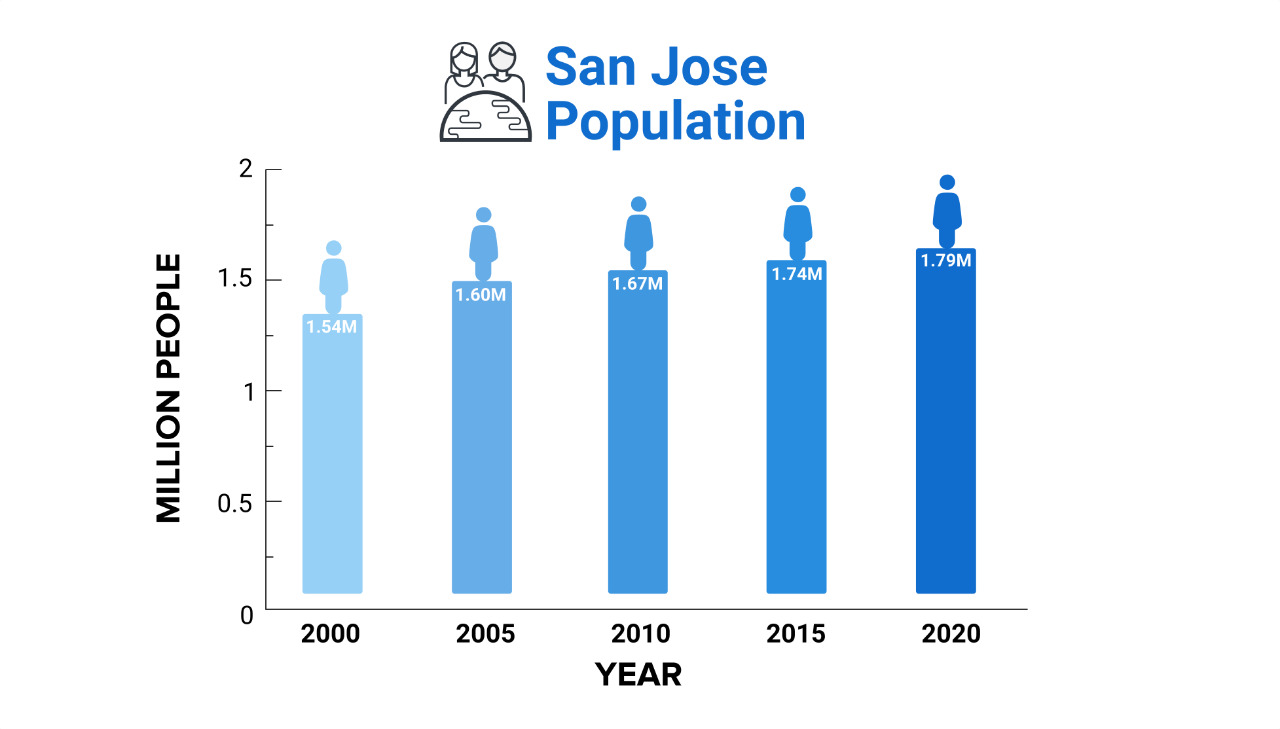
San Jose is the largest city in Northern California and the third largest in the state, with an estimated 989,814 residents as of July 1, 2025 — down 2.3% from the April 2020 base, a milder decline than San Francisco’s.
From Census Bureau QuickFacts for San Jose city:
- median household income: $146,427 (2020–2024, in 2024 dollars);
- median gross rent: $2,669;
- median value of an owner-occupied home: $1,233,200;
- homeownership rate: 55.8%.
That last figure is the one that separates San Jose from San Francisco, where homeownership is 38.2%. San Jose is a city of houses and owners; San Francisco is a city of flats and renters. It changes what a move here looks like.
What kind of city it actually is
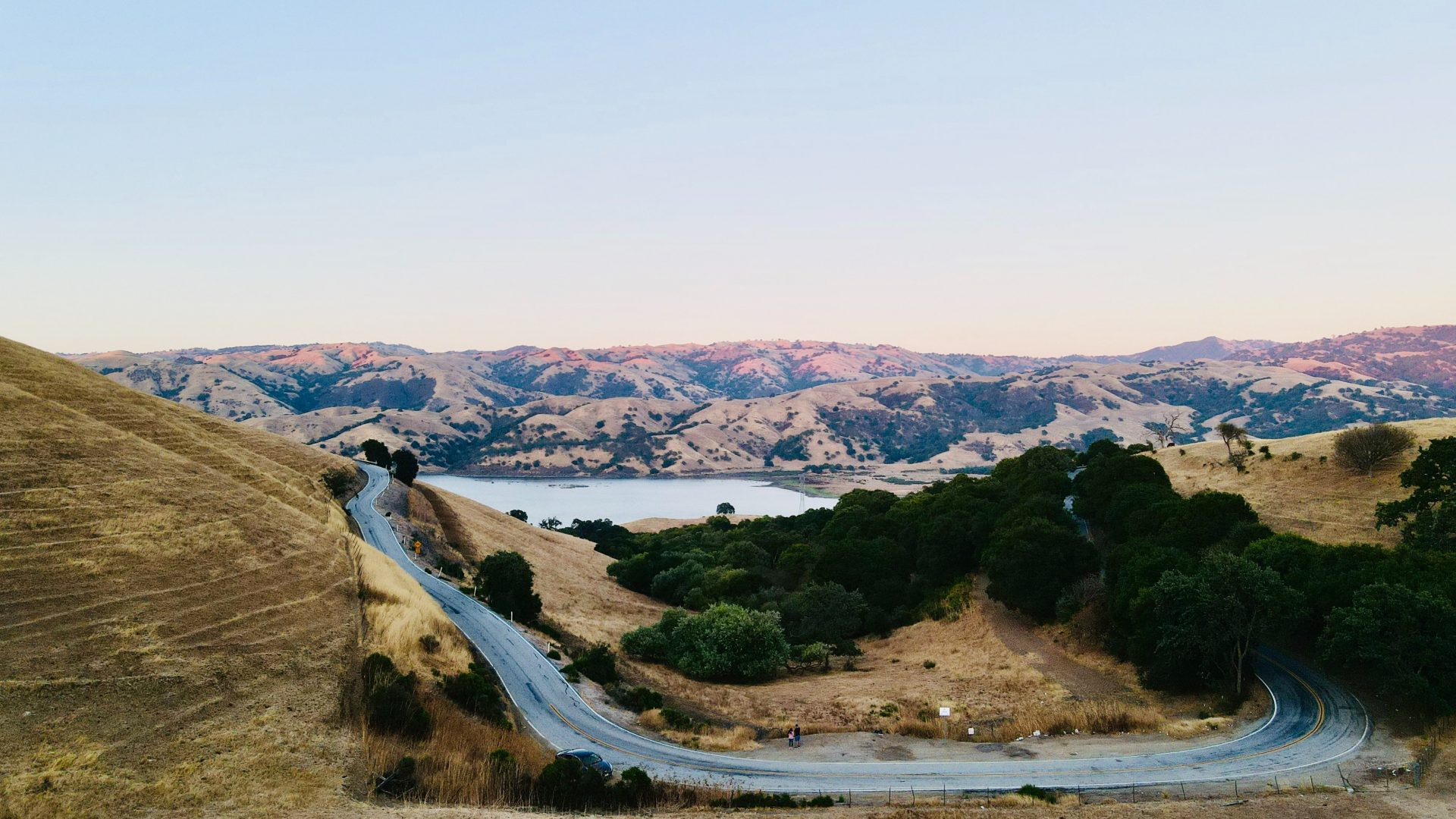
San Jose is suburban in form and urban in price. It covers about 180 square miles, most of it single-family homes on grid streets, with a small downtown that is still filling in.
Practically, that means three things. You will drive. Garages and driveways are normal, so move-day access is far easier than in San Francisco. And the weather is genuinely dry and sunny most of the year, which removes the fog-and-rain variable that makes coastal moves unpredictable.
Neighborhoods, and what each means for a move
Willow Glen. Older homes, tree-lined streets, a walkable main street. Narrow driveways and mature trees mean the truck often parks on the street; check overhanging branches for a high-cube truck.
Rose Garden. 1920s and 1930s houses, some with steep front steps and no side access. Beautiful, and slower to load than it looks.
Almaden Valley and Cambrian. Suburban, family-oriented, wide streets, easy access. The straightforward end of the spectrum for a move.
Evergreen and Santa Teresa. Newer subdivisions, often with HOA rules about move hours and where a truck can park. Ask the HOA before the date, not on it.
Berryessa. Mixed housing, close to the BART extension, which has changed commute patterns in the north of the city.
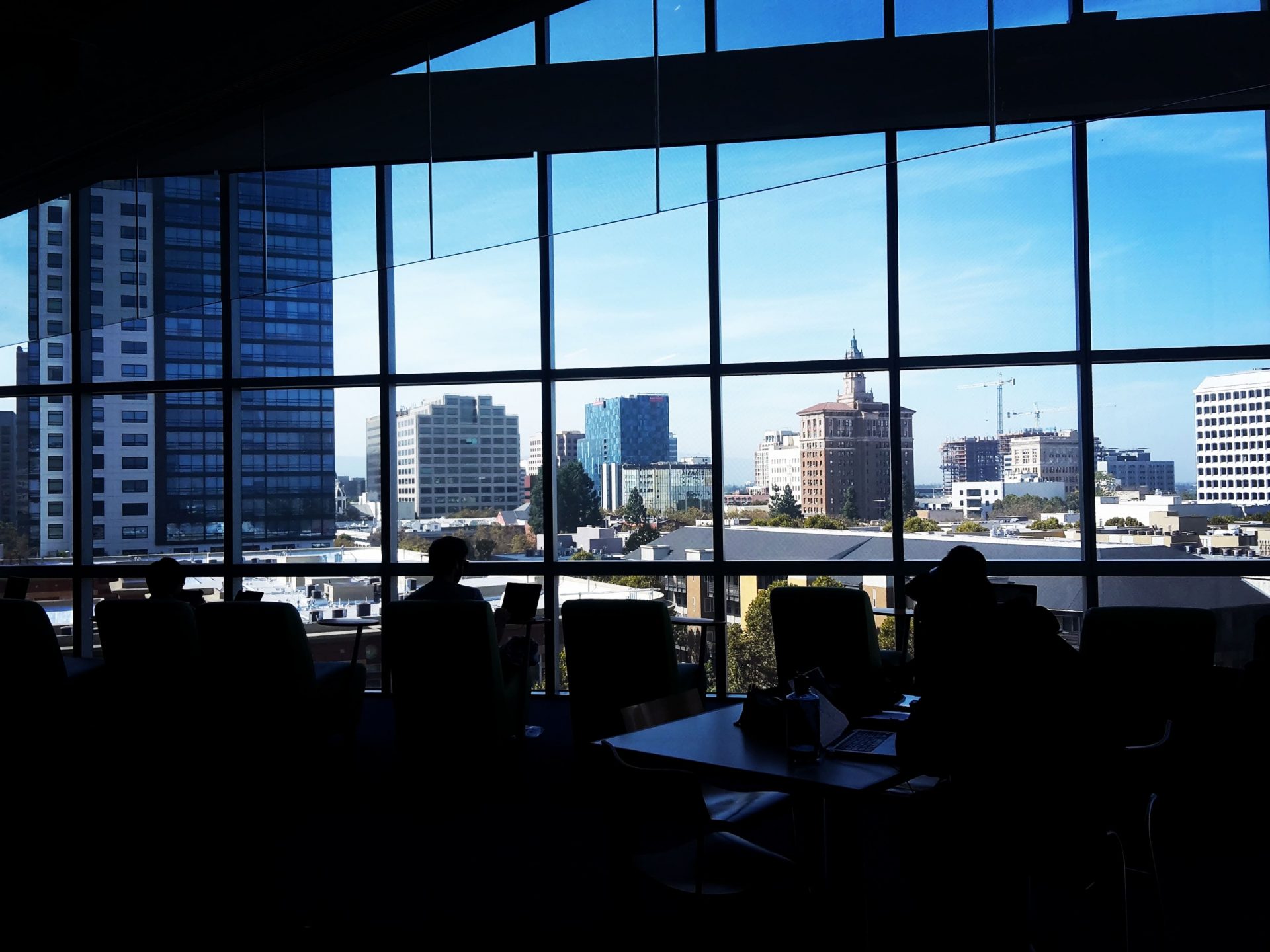
Downtown. The only part of San Jose where a move looks like a San Francisco move: high-rise buildings, freight elevators, certificates of insurance, and booked move windows. Reserve the elevator two weeks out.
Cost of living
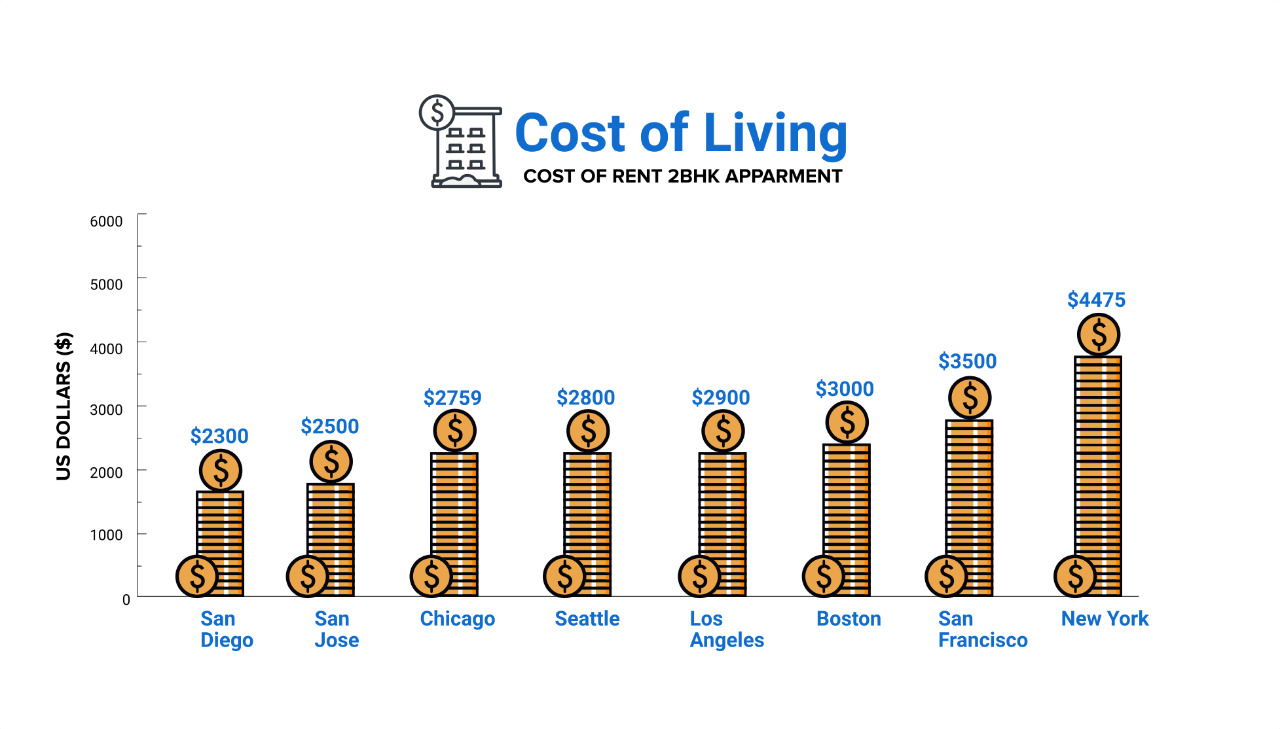
San Jose is expensive, and housing is nearly all of the reason. A median gross rent of $2,669 and a median home value of $1,233,200 sit against a median household income of $146,427 — high pay, absorbed almost entirely by housing.
What is not obvious from those numbers:
- Utilities are moderate by California standards, since the climate needs little heating and moderate cooling.
- Transportation is the second-biggest line. Most households run two cars, and insurance and fuel are above national averages.
- Sales tax is the 7.25% statewide base plus Santa Clara County district taxes on top, per the CDTFA.
- Space costs less per square foot than in San Francisco, which is why families make the trade.
Our comparison with the city is at cost of living in San Francisco.
Jobs and the commute
San Jose is the population center of Silicon Valley, but not the job center. A large share of residents commute north and west — to Santa Clara, Sunnyvale, Mountain View, Palo Alto — which is why the commute question matters more here than the neighborhood question.
Highway 101, I-880, I-280, and Highway 87 carry most of it, and the peaks are roughly 7 to 9 in the morning and 4 to 7 in the evening. VTA light rail covers the city, Caltrain runs up the Peninsula, and BART now reaches Berryessa with an extension further in progress.
Decide the commute first. It narrows the neighborhood list faster than any other filter.
Weather, schools, and the practical stuff
Weather. Warm, dry summers and mild winters, with most of the rain between November and March. Noticeably warmer and drier than San Francisco, and far less foggy. Summer moves are hot; start early in the day.
Schools. San Jose is split across more than a dozen school districts, and boundaries do not follow neighborhood names. If schools matter, verify the assigned school for the exact address before you sign anything.
Utilities. PG&E for gas and electricity, San Jose Water or Valley Water depending on the address, and the city’s contracted hauler for trash. Book two to three weeks out; see how to set up utilities.
New to California? Register an out-of-state vehicle within 20 days, per the DMV. The full list is in moving to California.
What makes a San Jose move different
Compared with San Francisco, the access is easy and the distances are long.
- Driveways and garages mean the truck usually parks close. That alone saves hours on an hourly move.
- Garages are full. San Jose households store more, because they can. Sort the garage three weeks out, not the night before.
- HOA rules in newer developments set move hours and truck placement. Confirm them in writing.
- Downtown high-rises need an elevator reservation and often a certificate of insurance.
- Long carries in cul-de-sacs. Some newer streets have no frontage for a 26-foot truck; the crew needs to know in advance.
- Heat. Summer afternoons above 90 degrees are normal. Early starts protect both the crew and anything heat-sensitive.
Planning the move
For a move within the Bay Area, hourly pricing usually fits: the duration depends on access, stairs, and how ready you are. Our standard package is $175 per hour for two movers and one truck, and it includes disassembly and reassembly, blankets and furniture protection, mattress protection, standard protection for TVs, mirrors, artwork and electronics, floor and doorway protection, loading, transport, unloading, placement, three reusable wardrobe boxes, and dispatcher coordination.
For a move into San Jose from out of state, a flat rate against a confirmed inventory is normally the better structure. Ask whether the estimate is binding; the FMCSA explains that in its guidance on binding estimates, and it sets out the two valuation choices. For a move inside California, see the state household mover guidance.
California Movers USA runs San Jose moves with in-house crews. A sales specialist confirms the inventory and the access, a dispatcher books the window, and a lead foreman runs the day. See San Jose movers, San Francisco to San Jose, and pricing.
Related reading: moving to the Bay Area, San Francisco population and migration, and how to pack for a move.
Questions people ask
Is San Jose cheaper than San Francisco?
Per square foot, yes. Rent is close, but you get considerably more space, parking, and often a garage. Median household income is also higher.
How big is San Jose?
An estimated 989,814 people as of July 2025 — larger than San Francisco, and the third-largest city in California.
Do I need a car?
For most addresses, yes. VTA, Caltrain, and BART cover parts of the city, but San Jose is built around driving.
What are the best neighborhoods for families?
Almaden Valley, Cambrian, Evergreen, and Willow Glen come up most often. Verify the assigned school for the specific address rather than the neighborhood.
How long does a local move take?
A one-bedroom with driveway access is typically a half day; a three-bedroom house with a full garage is a full day or more. Access, not distance, decides it.
When is the best time to move?
Spring and fall. Summer is peak season and the afternoons are hot.
Figures from U.S. Census Bureau QuickFacts, CDTFA, and California DMV; reviewed September 2026.
Tell us what you are moving and we will come back with a starting quote.