How to Pack Shoes for Moving
Sort the pile first, then pack by type. Clean each pair, stuff the toe box so it holds its shape, wrap pairs separately, and use small boxes so nothing on the bottom gets crushed. Keep the shoes you wear this week in a box you open first.
The short answer
Sort first, then pack by type. Shoes you wear every week go in a clearly marked box that comes off the truck first. Everything else gets cleaned, stuffed to hold its shape, wrapped so it cannot rub, and packed in a small box.
Three rules cover most of it:
- keep pairs together, in the same wrapping;
- never let a heel or a hard sole press against soft leather;
- use small boxes, because a large box of shoes gets heavy and crushes what is underneath.
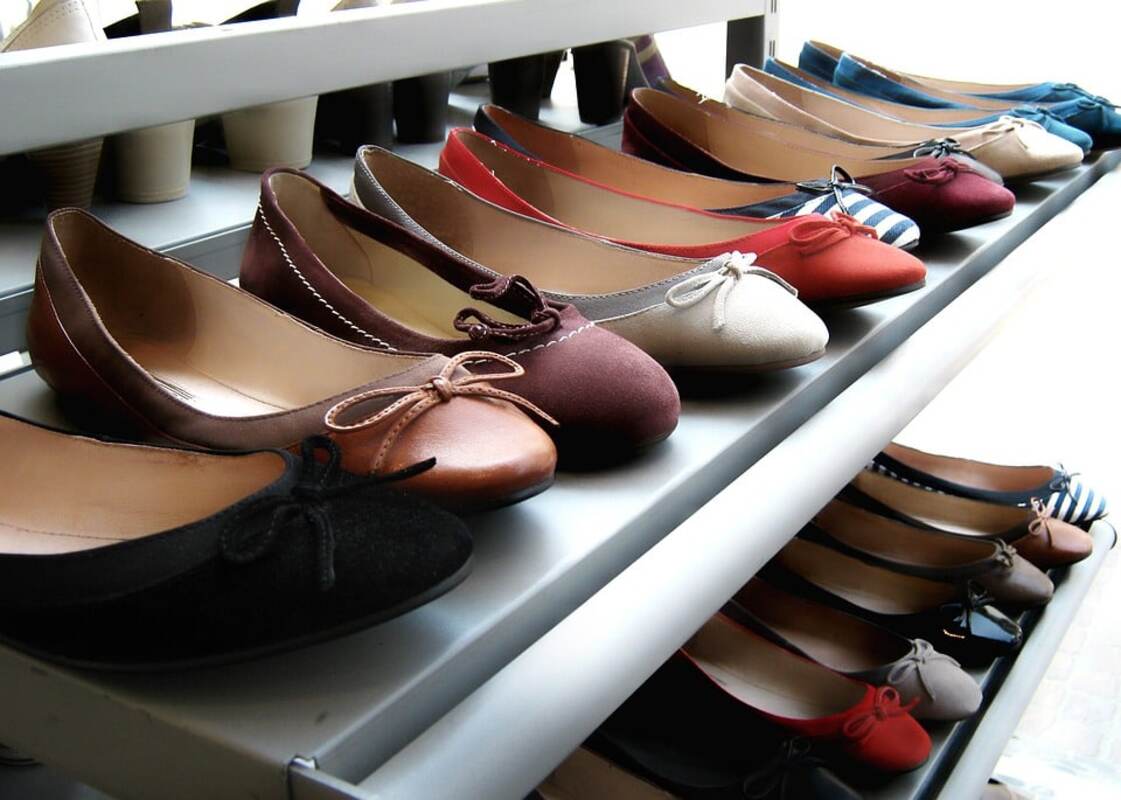
Start by cutting the pile down
A move is the cheapest time to get rid of shoes you do not wear. You are paying, in boxes and in truck space, to carry them.
Make four piles: keep, donate, repair, discard. Anything with a broken sole, a permanent smell, or a size that no longer fits goes in the last two. Goodwill and Salvation Army locations across the Bay Area accept wearable shoes; worn-out pairs can go to a shoe recycling drop-off rather than the trash.
Then split the keep pile into two groups: the ten or so pairs you actually use, and the rest. Only the first group needs to be easy to reach on move-in day.
Clean and prepare each pair
Dirt turns into stains inside a warm sealed box, and damp shoes grow mold on a long haul.
- Knock the dirt off the soles and wipe them down.
- Let anything damp dry completely before it goes in a box.
- Remove insoles from athletic shoes and let them air out.
- Loosen and retie laces so they do not press a line into the leather.
- Slip a dryer sheet or a small cedar block into pairs that hold odor.
How to pack shoes so they keep their shape
Stuff the toe box
Fill each shoe with crumpled packing paper, a rolled sock, or a shoe tree. Leather and structured sneakers collapse under weight, and a crease across the toe box does not come out.
Wrap each shoe separately
Wrap the pair in packing paper, then band the two together with a strip of tape or an elastic. Separate wrapping keeps a buckle, a heel tip, or a lug sole from marking the shoe next to it.
Choose the right container
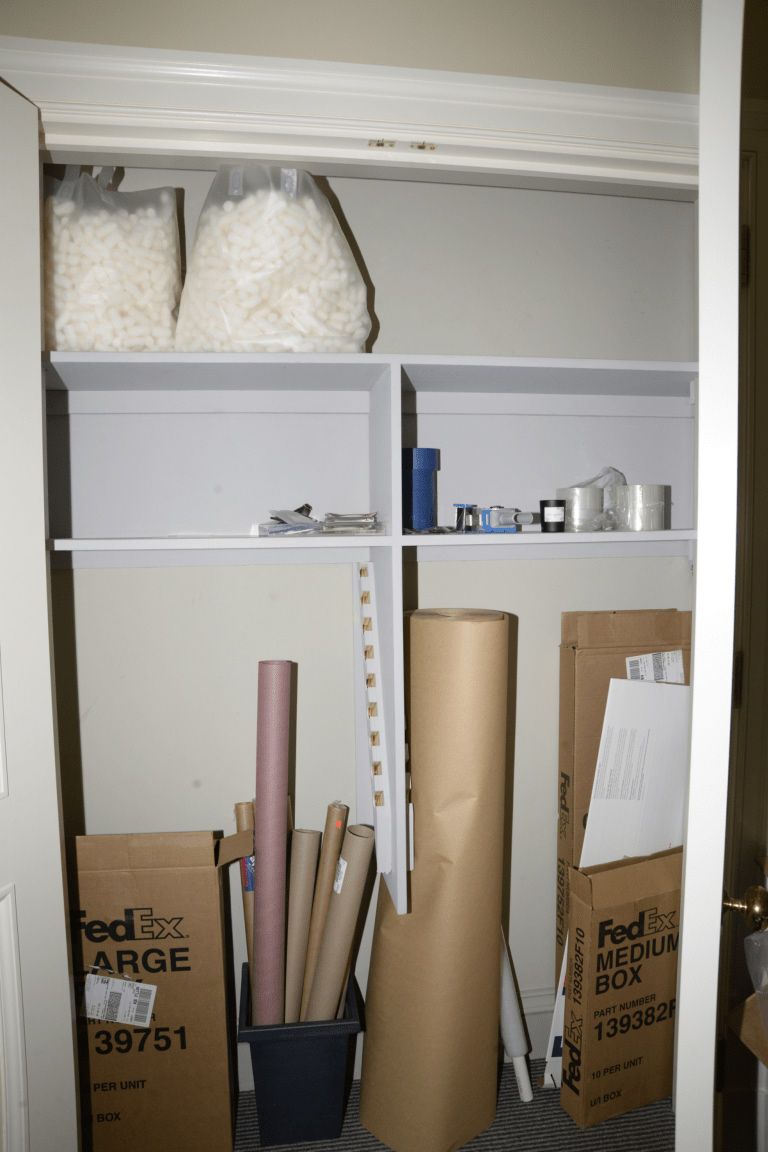
Original shoe boxes are the best protection when you kept them. Otherwise use a small moving box, about 1.5 cubic feet, and build up in layers.
Load heavy to light
Boots and hard-soled shoes go on the bottom, sneakers in the middle, flats and heels on top. Fill the gaps with paper so nothing slides.
Label the box by contents, not just by room
"Shoes — daily wear — open first" beats "Closet 3." Write the destination room on two sides of the box.
Different shoes, different handling
Leather dress shoes. Use shoe trees or firm paper stuffing, wrap in acid-free tissue or plain packing paper, and keep them out of plastic. Plastic traps moisture against leather.
Heels. Wrap the heel itself before the shoe. A stiletto tip punches through paper and scratches whatever sits beside it.
Boots. Pack them upright so the shaft does not fold. Tall boots keep their line with a rolled magazine or a pool noodle inside the shaft.
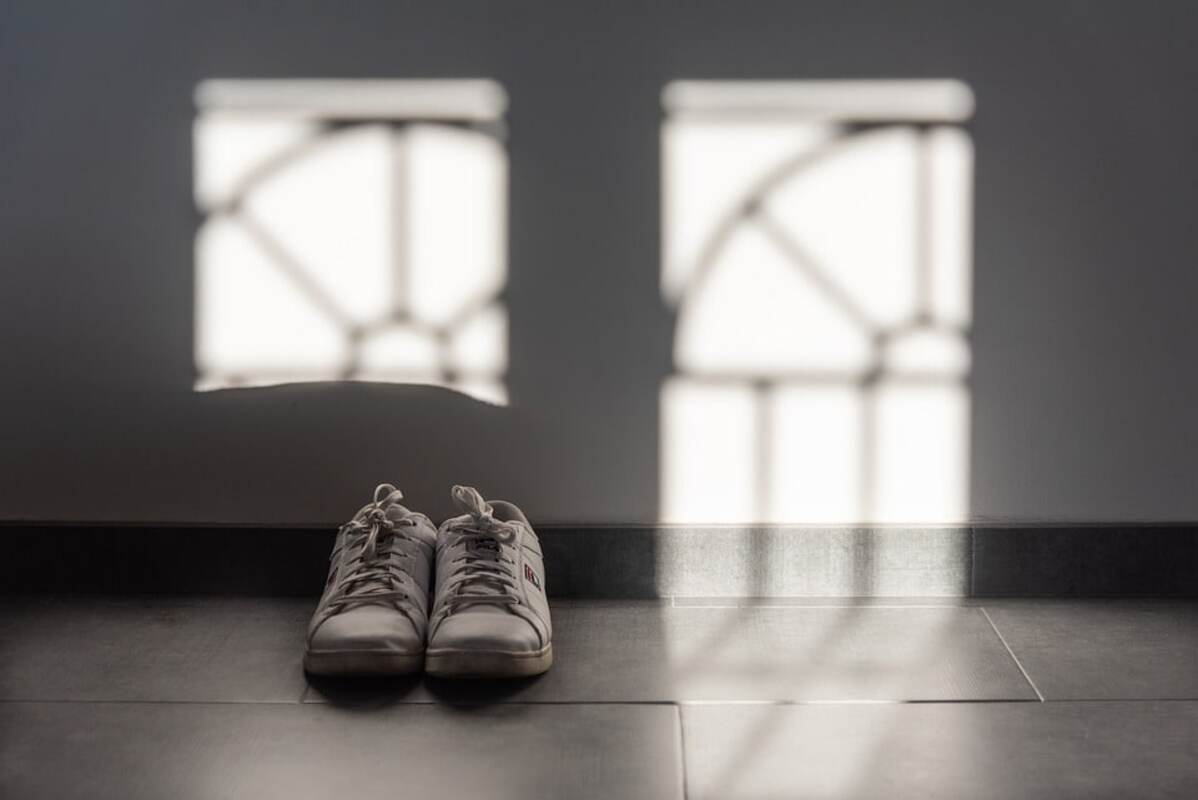
Athletic shoes. These are the durable ones. Air them out, stuff lightly, and use them to fill gaps around more delicate pairs.
Sneakers you collect. Keep them in their own boxes, pack those boxes into a moving carton without stacking more than three high, and carry them yourself if they are worth declaring.
Sandals and flats. Flat and forgiving. They can be layered with paper between them.
How many boxes will you need?
A small 1.5 cubic foot box holds roughly six to eight pairs when they are wrapped. A medium 3.0 cubic foot box holds twelve to fifteen, but it gets heavy enough that the bottom pairs get crushed, so keep shoe boxes small.
A two-person household with a normal closet usually fills three to five small boxes. If you are ordering materials, our packing supplies page lists box sizes and what fits in each.
What not to do
- Do not use garbage bags. They tear, they crush, and shoes come out creased.
- Do not seal shoes in airtight plastic bins for a long move. Trapped moisture is how leather grows mold.
- Do not fill a large box with shoes. It will weigh 60 pounds and split at the seam.
- Do not pack shoes with clothing you care about. Soles transfer dirt.
- Do not leave the pair you need for move-in day in a random box.
Packing checklist
- Pile sorted; donations dropped off before packing day.
- Every pair clean and fully dry.
- Toe boxes stuffed; boot shafts supported.
- Pairs wrapped separately, then banded together.
- Small boxes only, heavy on the bottom.
- Gaps filled so nothing shifts.
- Boxes labeled by contents and destination room.
- One "open first" box with the shoes for the next two days.
If you would rather not pack at all
Closets are slow work, and shoes are the part people leave until the last night. Our packing crews bring materials, wrap by room, and label boxes so unpacking follows the same order.
California Movers USA uses in-house employees, so the same team packs, loads, and places the boxes in the right rooms. See packing services for scope, or apartment moving if you are dealing with an elevator window and a loading zone.
Related guides: packing clothes, how to pack for a move, and moving supplies. For how a written price is built, see pricing.
Questions people ask
Should I keep the original shoe boxes?
If you have them, yes. They are sized for the shoe and they stack. If you do not, a small moving box with paper works fine.
Can shoes go in a suitcase?
Yes, and it saves boxes. Line the suitcase, keep soles facing down, and do not overload the wheels.
How do I stop shoes from smelling in storage?
Dry them fully, add cedar or baking soda, and use a breathable container rather than sealed plastic. If shoes are going into storage for months, check them once in that time.
Are shoes covered if a box is damaged?
On an interstate move, what the mover owes depends on the valuation option you select, not on the box. The FMCSA explains the two choices in its liability and valuation guidance, and the terms end up in your move documents. For moves inside California, see the state household mover guidance.
When should I pack them?
Off-season shoes three to four weeks out. Everyday pairs the night before, in the box you open first.
Tell us what you are moving and we will come back with a starting quote.