START YOUR MOVE

Size of move Studio 1-Bedroom 2-Bedroom 3-Bedroom 4+ -Bedroom Office Other
Next step

How to Pack Clothes for Moving

Everyone has changed their place of residence at least once in their life. So we all have an idea of how important, responsible, and exciting moving is.
So that your move doesn't turn into an episode of a horror film, California Movers USA suggest mastering the skill of packing clothes and learning special zen. So how do you pack clothes and survive a move without a nervous breakdown?
Proper folding and transporting of your belongings will not only keep them in top condition but also save you time while organizing your new nest. Read our article and get all your questions answered.
And we start traditionally with the theory – what problems can arise when packing? Your biggest fear when you're moving is that you'll lose something. The number one problem with packing clothes is a lack of consistency: people start dumping everything into boxes indiscriminately. Needless to say, in a new flat sorting things out becomes a game of "find it if you can"?
The second problem with packing is quality. When you don't have boxes of clothes taking up half your truck when you don't have to pick up all the pieces of a broken set at your new flat when your books won't get soaked in liquids you don't understand. To avoid common mistakes, you only need to know the simple rules how to pack clothes for moving.

How to Pack Clothes for Moving

How to Start Packing to Move

Before moving, it is important to know how to start packing to move. When preparing to move to a new place of residence, you will not only need to free up and prepare your furniture for transport but also pack all of your existing clothing securely.
So, where to start packing for a move?
We, therefore, recommend that you take note of a few important efficient packing rules:

  • when separating clothes into groups, you should be guided by two grounds: season and owner (children's jumpers, men's trousers, women's dresses);
  • polypropylene bags are great for protecting your clothes from dirt and mechanical damage;
  • fold clothes to save space, it is better to connect bags with adhesive tape;
  • be sure to label each stack accordingly.

how to pack for moving efficiently

How to pack for moving efficiently? For this purpose, we recommend using special polypropylene products that allow you to form stacks of clothes and fix them securely. You can transport any piece of clothing in such packaging without worrying about the preservation of its appearance:

  • underwear;
  • t-shirts;
  • tracksuits;
  • fur coats, fur coats, mantos;
  • overcoats made of natural wool, including those with collars;
  • business suits.

It is worth noting that vacuum bags can be used not only to pack clothes efficiently for moving, but also for further storage of out-of-season items (jackets, down jackets) and spare sets of bedding. Now you know how to pack clothes for moving.

How to Fold Clothes for Packing

There are many options for folding clothes. So how to fold clothes for packing? Here are the main ones that can be highlighted:

  • japanese folding method;
  • the flip board method;
  • the drapery folding method;
  • folding board method;
  • sailor folding method;
  • the smooth folding method.

So choose the best folding technique for your limited space and storage preferences.

How to Fold Clothes to Save Space

How you store and fold your clothes may not only be a matter of preference, but also a matter of care; for example, folding clothes the wrong way can ruin the shape of a garment, and folding the wrong material of a garment can crumple and crumple it.
In general, folding clothes saves space compared to when they are not folded. This is because you can strategically fit more folded clothes into the small slots of a drawer or suitcase than if your clothes were not folded.
How to fold clothes to save space? All things that take up a lot of space can be folded into airtight bags, a simple vacuum cleaner to siphon off the excess air and thereby save as much space as possible . If you have a lot of clothes, try to choose the right size bags. After moving, you should open the vacuum bag with the clothes you've vacuumed, shaking them back into their original shape.
Vacuum bags or garment bags can be purchased at hardware stores, hypermarkets, or one of the online stores.

How to Roll Clothes for Packing

How do you quickly pack such clothes for a move? If you want to keep your clothes crease-free, you need to learn how to roll your clothes properly.
This method is called Ranger Rolling. To roll your clothes properly, lay out the article of clothing in an even layer. Then tuck the bottom two inches of the item inward to make a pocket of sorts on one side of the garment. From the opposite end, roll the garment tightly until you reach the created pocket. Fold one side of the pocket over the roll, securing it tightly. Once you learn this, you'll never go back.

How to Roll Shirts for Packing

What's better for a shirt – folding or rolling? Many guys are wary of folding, fearing that the clothes will come out of the bag very wrinkled.
But in vain!
If you don't have a lot of room, roll up your shirts.
So, how to roll clothes for packing?

  • lay your shirt face down;
  • fold the sleeves inside;
  • fold the shirt in half vertically.

This will prevent creasing, as the button placket is not prone to creasing.

  • roll the shirt from the bottom up. Be careful to roll continuously, not fold, so that creases don't form.
roll the shirt from the bottom up. Be careful to roll continuously, not fold, so that creases don't form.

Interestingly enough, if you're only taking hand luggage with you, rolling instead of folding definitely means you can take at least one extra outfit with you.

How to Pack Clothes for Moving

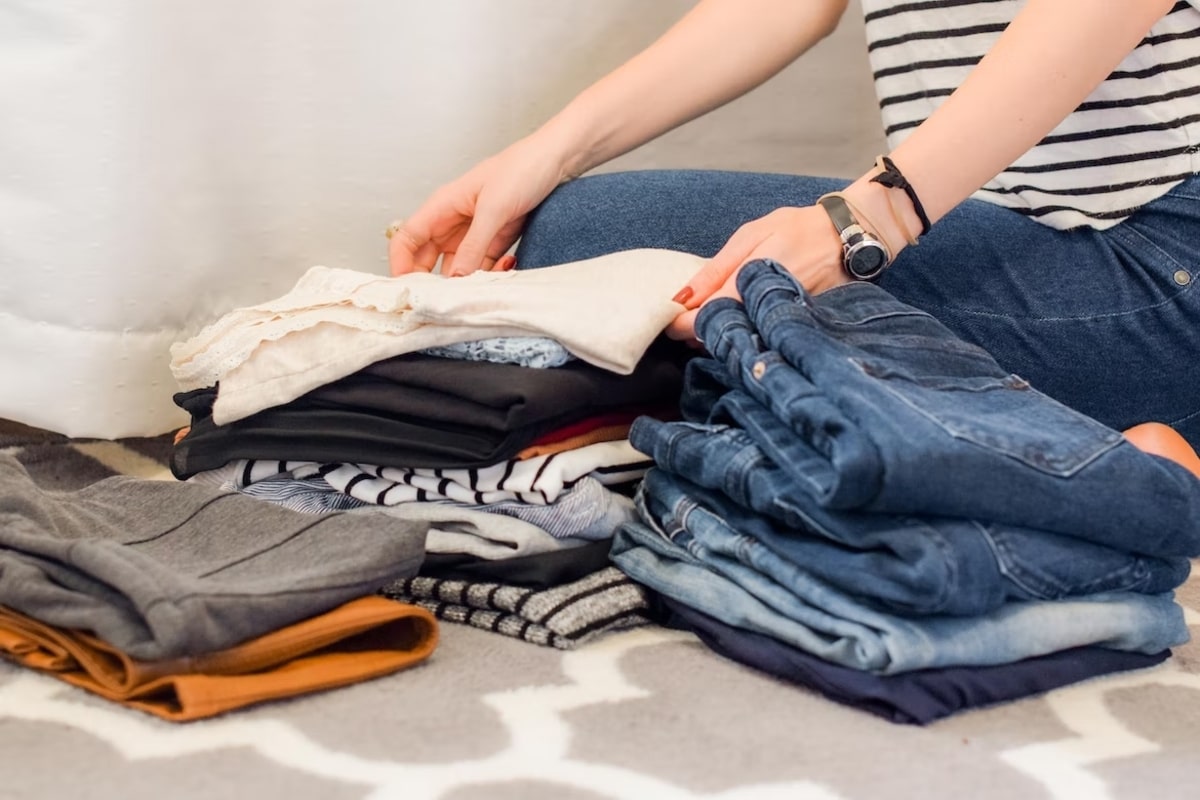
How to Fold Jeans to Save Space

Before you pack your jeans, be sure to empty your pockets and remove your belts and straps.
So how to fold jeans to save space?
Let's take a look at how to fold the pair of jeans to save space and still stay organized.

Step 1: Put them on a flat surface.

First, spread the jeans out on a flat surface. To remove bulk and unevenness, make sure the pockets aren't piled up: slip your hands into each pocket and press in all directions.

Step 2: Tuck them in.

When your pants are folded this way, you'll notice that one side is sticking out a little to the side. You can either leave it as it is or tuck it under your legs. This will add some volume, but will make the pants more uniform when stacked.

Step 3: Fold the jeans.

Next, roll the thing either in thirds or fourths, depending on the size of your jeans.

Step 4: Alternate direction when stacking.

When stacking folded pairs of jeans, alternate directions so the stack doesn't end up lopsided. For example, the waistband side should go from you for one pair of jeans, then toward you for the next, and so on.

This will leave as few creases as possible on the jeans.

HOW TO FOLD A BLAZER

A blazer is a complicated item that is quite difficult to pack without wrinkling. If you are thinking about how to fold a blazer here you can use the way you pack shirts, but the blazer will need to be turned inside out and folded in half. Inside the jacket, you can pack pants. But vacuum bags or thick pouches are the preferred way to pack these items of clothing.

How to Fold Shorts to Save Space

How to fold shorts to save space? To fold the shorts and make them more compact for packing, first fold the waistband down about 1-2 inches at the front. Then fold the shorts in half vertically. Finally, roll the bottom of the legs toward the top of the shorts and tuck the roll into the waistband. This simple method will help you fold your shorts for moving, saving time and space in your suitcase.

How to Fold Hoodies to Save Space

To pack items with long sleeves, such as hoodies, we recommend learning a simple algorithm . So read on how to fold hoodies to save space. You need to lay the product face down on the surface, fastening all zippers and buttons in advance. Next, you straighten the edges of the product and wrap them to the collar, and leave the sleeves in an upright position. Mentally divide the piece of clothing into three equal parts. After that, fold inward the bottom and then – the center. Now turn the shirt over with the front side facing you and fold up the sleeves.

Best Way to Store Sweaters

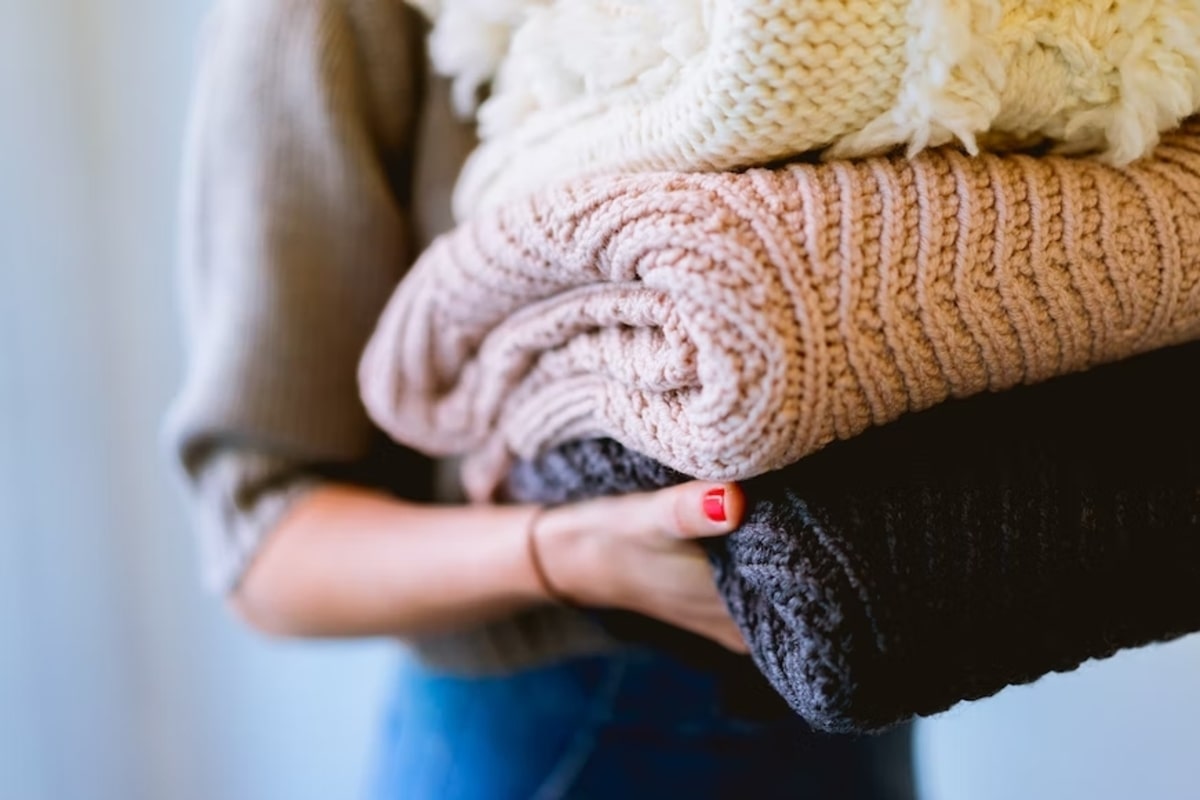
To save space in your suitcase or bag, do not roll up your clothes in small balls. To optimize space, try to stack all the items on top of each other, twist the resulting pile of tight rolls and fix it with a rubber band . In this way, in just a few minutes you can pack a whole mountain of sweaters for the move. Now you know best way to store sweaters.

How to Hang Jeans to Save Space

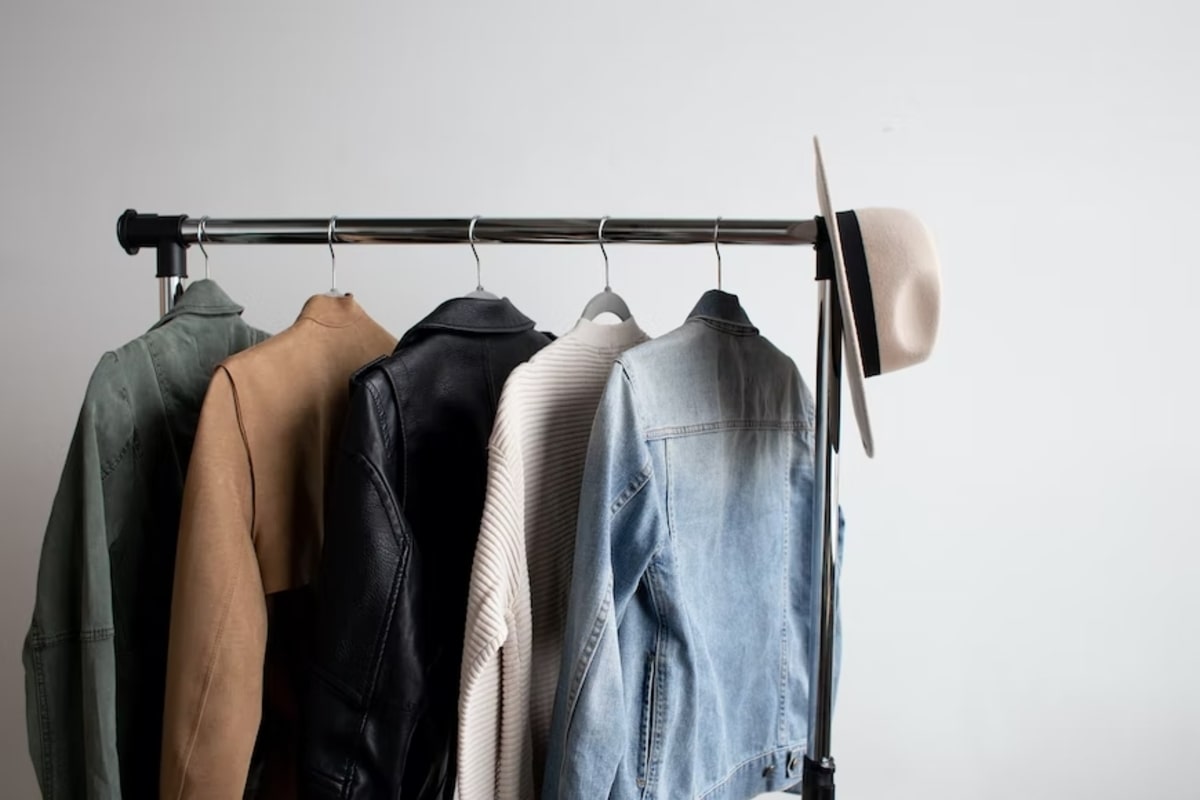
How to hang jeans to save space? Hang your jeans with S-hooks or on hangers. You can also stack your jeans and spread them out on shelves if you have room. Avoid folding your jeans too high in your closet, as this can make them difficult to manage.

How to Pack Clothes for Moving

How to Pack Hangers

If you prefer to stack a lot of clothes for a move, you'll have even more hangers that you'll want to keep. But even if you try to stack them, you end up with a tangled mess. Let's take control of those hangers and pack them for your move.
Here are some simple steps how to pack hangers::

Gather up all your loose hangers.

Toss all your hangers on the bed. Don't forget to collect the scattered hangers from other rooms.

Clean them up.

Pick up broken, bent, and unusable hangers and recycle the ones you can. Throw the rest in the trash. Donate functional hangers that you no longer use.

Categorize the hangers.

Chances are you'll have quality wooden hangers of several types - hangers for jeans, suits, and coats. You may also have hangers for scarves, underwear, ties, or belts. Separate those, too.

Pack the hangers.

Place sets of hangers on the bottom of your closet boxes. Alternatively, you can use a medium-sized box and stack the sets in the box so that the hooks are down toward the corner of the box.

Seal the moving box and label it.

Seal the moving box with packing tape. Use a permanent black marker to stick a "hanger" label on the box so movers or your helpers know where to deliver the box.

How to Move Clothing on Hangers

Take a section of 10 hangers or less and spread them out on the floor. It's much easier to tackle this task when clothes are on the floor rather than hanging in the closet.
Then take a bag and make a small hole in the middle of the bottom of the bag. Thread the hangers through the hole and pull the bag down over the clothes.
Tighten the string at the bottom so that all the clothes are securely fastened inside.
So, this is the way how to move clothing on hangers. This method will seriously save space, your clothes won't crumple, and you can hang your clothes in your new home right away.

How to Wrap Clothes Without a Box

You don't need a box if you are carefully folding clothes for traveling or other pieces of clothing. So, how to fold clothes for travel?
Take the clothes tightly and then wrap them as you would with a box. Using kraft paper and tying the parcel with twine can give it a rustic or shabby-chic look.

How to Pack Clothes Without Wrinkles

When moving, many often have a question how to pack clothes without wrinkles. The easiest way to avoid wrinkles in your clothes is to buy clothes that don't wrinkle – or better yet, can't wrinkle. Wrinkle-free clothes don't have to be made of synthetic materials. If you prefer natural fibers, you're out of luck.
Nevertheless, rolling is the best way to pack clothes when moving and keep them wrinkle-free because they roll up tightly, without stiff folds. To avoid creases, fold clothes along the seams and smooth out any wrinkles.

GET A FREE QUOTE NOW!

Relocation Information
Size of move Studio 1-Bedroom 2-Bedroom 3-Bedroom 4+ -Bedroom Office Other
Contact Information
Your information will not be shared with third parties. We guarantee confidentiality.

Pienten talletusten historia kasinomaailmassa Kasinord mukaan

Kasinomaailma on kokenut merkittävän muutoksen viimeisten vuosikymmenten aikana, erityisesti talletusten minimisummien osalta. Kun perinteiset kivijalkakasinot vaativat usein huomattavia rahallisia panostuksia, digitaalinen vallankumous on tuonut mukanaan uudenlaisen lähestymistavan pelaamiseen. Pienet talletukset ovat muuttaneet pelialaa demokraattisemmaksi, mahdollistaen yhä useammalle ihmiselle pääsyn kasinoviihteeseen ilman suurta taloudellista riskiä. Tämä kehitys ei ole tapahtunut yhdessä yössä, vaan se on ollut pitkä prosessi, joka heijastaa sekä teknologisia edistysaskeleita että muuttuvia kuluttajatottumuksia.

Perinteisten kasinoiden aikakausi ja korkeat kynnykset

1900-luvun kasinomaailmaa hallitsivat fyysiset peliympäristöt, joissa pääsymaksut ja minimipanokset olivat usein huomattavia. Las Vegasin ja Monte Carlon kaltaiset kasinomekkat rakensivat maineensa eksklusiivisuudelle, ja pelaaminen nähtiin ylellisyytenä, johon vain varakkaimmilla oli varaa. Pöytäpeleissä minimipanokset saattoivat olla kymmeniä tai jopa satoja dollareita, mikä sulki suuren osan väestöstä kokonaan pelaamisen ulkopuolelle.

Tilanne alkoi muuttua 1990-luvulla, kun ensimmäiset online-kasinot tekivät tuloaan internetiin. Vaikka alkuvaiheen verkkokasinot tarjosivat jo jonkin verran joustavuutta, talletusrajat pysyivät suhteellisen korkeina useista syistä. Maksujärjestelmät olivat kalliita ylläpitää, ja transaktiokustannukset söivät merkittävän osan pienistä talletuksista. Lisäksi alan sääntelyviranomaiset suhtautuivat varovaisesti uuteen toimintamuotoon, mikä johti tiukkoihin vaatimuksiin kasinoiden toiminnalle.

2000-luvun alussa tilanne alkoi vähitellen muuttua kilpailun kiristyessä. Kasinooperaattorit ymmärsivät, että laajemman asiakaskunnan tavoittamiseksi heidän täytyi alentaa kynnystä pelaamisen aloittamiselle. Ensimmäiset kokeilut 10-20 euron minimitalletuksilla osoittautuivat menestyksellisiksi, ja ne houkuttelivat markkinoille kokonaan uudenlaisen pelaajaryhmän, joka halusi kokeilla kasinopelejä ilman suurta taloudellista sitoutumista.

Teknologinen murros ja mikrotalletusten synty

2010-luvun teknologinen kehitys mullisti maksujärjestelmät perusteellisesti. Mobiilimaksamisen yleistyminen, e-lompakoiden kehittyminen ja uusien fintech-ratkaisujen syntyminen mahdollistivat aiempaa pienempien summien käsittelyn taloudellisesti kannattavalla tavalla. Trustly, Zimpler ja muut pikamaksupalvelut toivat markkinoille ratkaisuja, jotka tekivät pienten talletusten käsittelystä sekä nopeaa että kustannustehokasta.

Samanaikaisesti älypuhelinten yleistyminen loi täysin uudenlaisen peliympäristön. Mobiilipelaajat halusivat usein tehdä pieniä, impulsiivisia talletuksia pelatessaan tauoilla tai matkustaessaan. Tämä käyttäytymismalli johti siihen, että kasinot alkoivat tarjota yhä pienempiä minimitalletuksia. Viiden euron talletukset yleistyivät nopeasti, ja pian sen jälkeen markkinoille ilmestyivät ensimmäiset kolmen euron talletuskasinot.

Kehitys ei pysähtynyt tähän. Kilpailun kiristyessä entisestään operaattorit alkoivat kokeilla vielä matalampia kynnyksiä. Kasinord on seurannut tätä kehitystä tarkasti, ja heidän mukaansa https://kasinord.com/2-euron-talletuskasinot/ ovat nousseet erityisen suosituiksi viime vuosina tarjoten pelaajille mahdollisuuden tutustua kasinopalveluihin minimaalisella taloudellisella riskillä. Tämä trendi heijastaa laajempaa muutosta pelialalla, jossa asiakaslähtöisyys ja saavutettavuus ovat nousseet keskeisiksi kilpailutekijöiksi.

Mikrotalletusten yleistyminen on tuonut mukanaan myös uusia haasteita. Vastuullisen pelaamisen näkökulmasta on tärkeää varmistaa, että matalat talletusrajat eivät kannusta impulsiiviseen pelaamiseen tai tee budjetin hallinnasta vaikeampaa. Monet operaattorit ovatkin kehittäneet työkaluja, jotka auttavat pelaajia seuraamaan kulutustaan riippumatta yksittäisten talletusten koosta.

Sääntelyympäristön vaikutus ja alueelliset erot

Pienten talletusten kehitykseen ovat vaikuttaneet merkittävästi myös kansalliset sääntelyratkaisut. Euroopan eri maissa on hyvin erilaisia lähestymistapoja uhkapelien sääntelyyn, mikä heijastuu suoraan talletusrajoihin ja kasinoiden toimintatapoihin. Esimerkiksi Ruotsissa vuonna 2019 voimaan tullut uusi pelilaki asetti tiukkoja vaatimuksia kasinoille, mutta samalla se loi selkeämmän toimintaympäristön, joka mahdollisti innovatiivisten palveluiden kehittämisen.

Suomessa tilanne on ollut erityisen mielenkiintoinen Veikkauksen monopolin vuoksi. Kuitenkin suomalaiset pelaajat ovat voineet käyttää ulkomaisten kasinoiden palveluita, ja monet näistä operaattoreista ovat räätälöineet tarjontaansa nimenomaan suomalaisille asiakkaille. Pienet talletusrajat ovat osoittautuneet erityisen suosituiksi Pohjoismaissa, missä kuluttajat arvostavat valinnanvapautta ja joustavuutta.

Sääntelyviranomaiset ovat joutuneet tasapainoilemaan kahden tavoitteen välillä: toisaalta halutaan suojella kuluttajia ja estää peliongelmien syntymistä, toisaalta pyritään tarjoamaan laillisia ja turvallisia pelivaihtoehtoja. Pienet talletukset ovat tässä keskustelussa kaksiteräinen miekka. Ne voivat tehdä pelaamisesta hallitumpaa mahdollistamalla paremman budjetoinnin, mutta toisaalta ne voivat myös madaltaa kynnystä pelaamiseen sellaisilla henkilöillä, joille se ei välttämättä ole sopivaa.

Tulevaisuuden näkymät ja kehityssuunnat

Kryptovaluuttojen ja lohkoketjuteknologian yleistyminen saattaa tuoda seuraavan merkittävän muutoksen pienten talletusten maailmaan. Kryptomaksujen transaktiokustannukset voivat olla hyvin pieniä, mikä mahdollistaisi jopa alle euron talletusten käsittelyn kannattavasti. Jotkut kasinot ovat jo alkaneet kokeilla tätä teknologiaa, vaikka laajempi käyttöönotto vaatii vielä sekä teknistä kehitystä että sääntelyllisten kysymysten ratkaisemista.

Toinen merkittävä trendi on gamifikaation ja sosiaalisten elementtien yhdistäminen kasinopeleihin. Pienet talletukset sopivat erinomaisesti malliin, jossa pelaajat voivat osallistua yhteisöllisiin tapahtumiin ja turnauksiin ilman suurta taloudellista sitoutumista. Tämä kehityssuunta hämärtää rajaa perinteisen uhkapelaamisen ja viihteen välillä, luoden uudenlaisia kokemuksia pelaajille.

Tekoälyn ja koneoppimisen kehittyminen tuo mukanaan myös uusia mahdollisuuksia personoida pelikokemusta. Kasinot voivat tulevaisuudessa tarjota yksilöllisiä talletussuosituksia perustuen pelaajan käyttäytymiseen ja mieltymyksiin, samalla kun vastuullisen pelaamisen työkalut kehittyvät entistä hienostuneemmiksi. Tämä voi johtaa tilanteeseen, jossa talletussummat eivät ole enää kiinteitä rajoja, vaan dynaamisia suosituksia, jotka mukautuvat kunkin pelaajan tilanteeseen.

Pienten talletusten historia kasinomaailmassa on kiehtova esimerkki siitä, kuinka teknologia, kilpailu ja muuttuvat kuluttajatarpeet muokkaavat toimialaa. Matka eksklusiivisista kasinoista, joissa minimipanokset olivat satoja dollareita, nykypäivän saavutettaviin palveluihin, joissa voi aloittaa muutamalla eurolla, kuvastaa laajempaa demokratisoitumiskehitystä digitaalisessa taloudessa. Tulevaisuus tuo varmasti mukanaan lisää innovaatioita, mutta keskeistä on, että kehitys tapahtuu vastuullisesti pelaajien hyvinvointi etusijalla. Kasinoteollisuuden kyky tasapainoilla saavutettavuuden ja vastuullisuuden välillä määrittää pitkälti sen, miten ala kehittyy tulevina vuosina.