Moving to Utah From California
Utah grew 8.2% since 2020 — sixteen times California’s rate — and 70.2% of households own their home, nearly double San Francisco’s rate. Here are the current figures, where people actually live along the Wasatch Front, what altitude and winter inversion mean day to day, and how the California-to-Utah move runs.
Utah in numbers
Utah is the fastest-growing state in this comparison set. The July 1, 2025 estimate is 3,538,904 residents, up 8.2% since April 2020 — sixteen times California’s rate of change, which was −0.5%.
From Census Bureau QuickFacts:
- median household income: $95,166 (2020–2024, in 2024 dollars);
- median gross rent: $1,496;
- median value of an owner-occupied home: $489,400;
- homeownership rate: 70.2%.
A 70.2% homeownership rate is among the highest in the country, and close to double San Francisco’s 38.2%. Utah is a state built around families owning houses.
Where people actually live
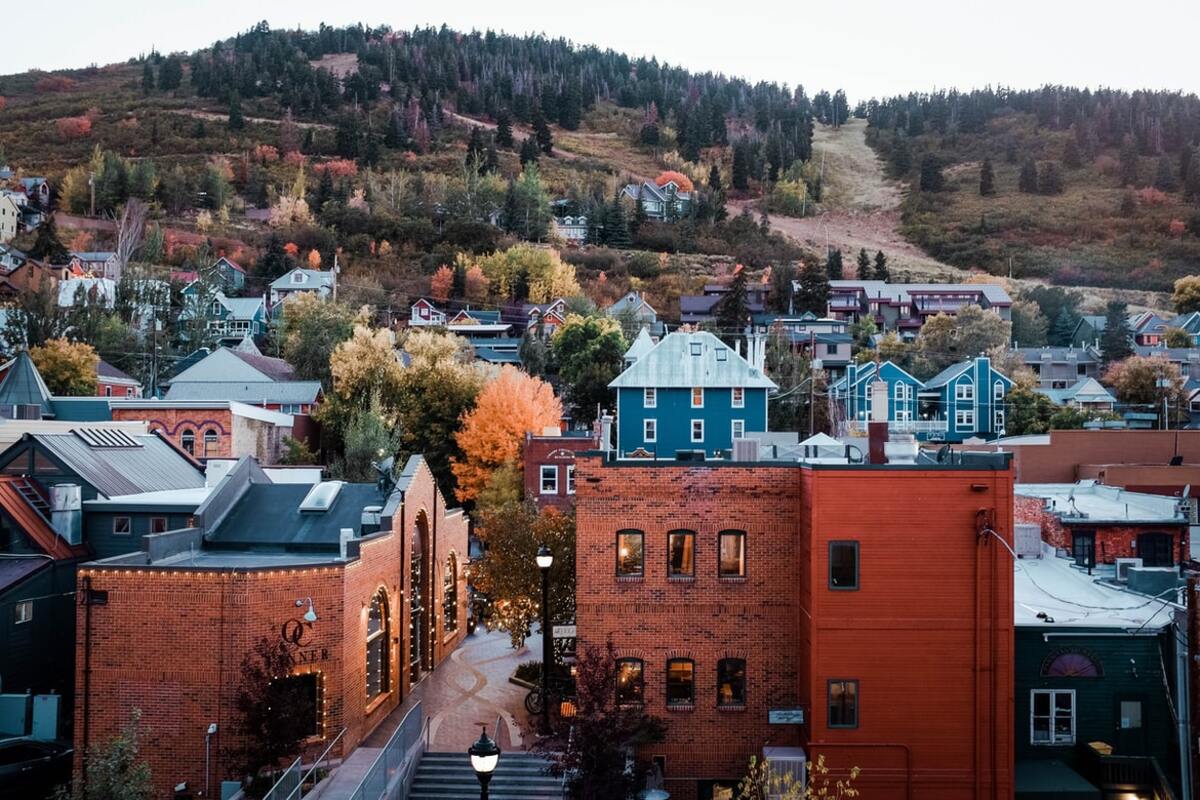
Roughly 80% of Utah’s population lives along the Wasatch Front, a narrow strip between the mountains and the Great Salt Lake.
Salt Lake City. The urban center. Older neighborhoods like the Avenues and Sugar House have tree-lined streets, narrow driveways, and historic homes with tight doorways. Downtown has apartments with freight elevators and reserved move windows.
Lehi, Draper, American Fork — the Silicon Slopes. Where the technology employment is, and where most California arrivals with tech jobs end up. Newer subdivisions, garages, HOA move rules.
Provo and Orem. University-centered, family-oriented, more affordable than Salt Lake proper.
Ogden and Davis County. North of Salt Lake, cheaper, with quick access to the canyons.
Park City. Expensive, mountain access, and operationally the hardest place in the state to move into — steep driveways, snow, and altitude at 7,000 feet.
St. George. Southern Utah, warm, retirement-heavy, and growing fast on its own.
Cost of living and taxes
- Income tax is a flat rate, well below California’s top brackets.
- Sales tax is a state rate plus local additions; groceries are taxed at a reduced rate.
- Property tax is low by national standards, with a primary-residence exemption.
- Utilities are moderate. Winters need heating; summers need cooling in the southern half of the state.
- Housing has risen sharply. A $489,400 median home value is far below California but well above what Utah cost a decade ago, and the Wasatch Front market is competitive.
Things worth knowing before you commit
Altitude. Salt Lake City sits at about 4,300 feet, Park City above 7,000. The first week or two takes adjustment.
Winter inversion. Cold air settles in the valley and traps pollution, sometimes for weeks. Air quality in January is a genuine consideration, particularly for anyone with respiratory issues.
Alcohol laws differ from California’s in ways that surprise people — where you can buy what, and at what strength.
Culture. Utah has a strong religious and family culture, more visible in some communities than others. Salt Lake City itself is diverse and secular in character; smaller towns are not. It is worth spending time in a specific place rather than judging the state as a whole.
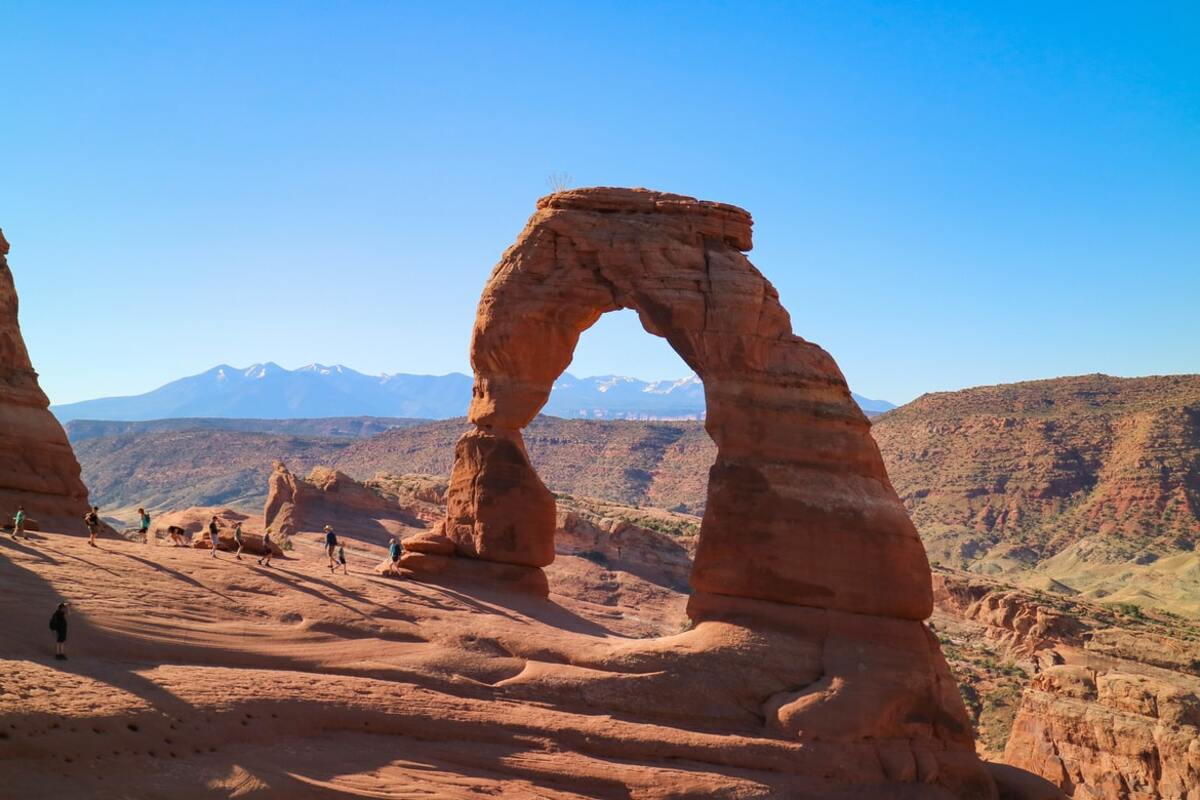
The outdoors is the point. Five national parks, world-class skiing 30 minutes from the airport, and canyons at the edge of the city. For a lot of people this is the reason, and it delivers.
The California-to-Utah move
Roughly 750 miles from the Bay Area, typically a one- to two-day transit, usually quoted as a flat rate against a confirmed inventory.
- Season matters on the routing. Winter storms affect the passes; build a delivery window rather than a fixed date.
- Mountain addresses in Park City and the canyons may need a smaller truck or a shuttle. Flag it at the walkthrough.
- HOA rules in Silicon Slopes subdivisions commonly set move hours and truck placement.
- Historic Salt Lake homes have narrow entries and steep front steps. Measure large furniture.
- Altitude slows a stair carry, for you and for the crew.
Ask whether the estimate is binding — see the FMCSA on binding estimates — and which of the two valuation options is in your documents. Our explainer is at moving insurance and valuation.
California Movers USA runs the corridor with in-house crews. See state-to-state moving and pricing.

Arrival checklist
- Utah driver’s license and vehicle registration in the first month; safety and emissions requirements vary by county.
- Utilities booked two to three weeks ahead — Rocky Mountain Power, Dominion Energy for gas, and municipal water. See setting up utilities.
- Primary-residence property tax exemption filed if you are buying.
- Snow tires before December if you are on the Wasatch Front.
- A humidifier — the air is very dry.
- Home and auto insurance quoted for the new address.
Related reading: moving to Boise, moving to Colorado, best places to live in the US, and how to pack for a move.
Questions people ask
Why is Utah growing so fast?
A combination of natural growth, a strong job market on the Wasatch Front, and in-migration from more expensive western states. It grew 8.2% between April 2020 and July 2025.
Is Utah cheap?
Compared with California, clearly — $1,496 median rent against $2,036 statewide in California and $2,669 in San Jose. Compared with its own recent past, no.
What is Silicon Slopes?
The technology corridor between Salt Lake City and Provo, centered on Lehi and Draper. It is where most tech relocations land.
How bad is the winter inversion?
It can be severe for stretches in January and February, with poor air quality in the valley. Higher-elevation neighborhoods sit above it.
Do I need to be religious to fit in?
No. Salt Lake City in particular is diverse and secular in character. Smaller towns have a stronger religious culture, so visit the specific place.
How long is the move from California?
One to two days in transit from the Bay Area, with weather affecting winter schedules.
Figures from U.S. Census Bureau QuickFacts; reviewed September 2026.
Tell us what you are moving and we will come back with a starting quote.