Moving to Los Angeles
Choosing "Los Angeles" means nothing — the city is 500 square miles and the county is 4,000, and the Westside has almost nothing in common with the Valley. Here are the current figures, how the areas differ, why the commute has to be your first decision, and what makes an LA move different on the day.
Los Angeles in numbers
Los Angeles is the second-largest city in the country and the least concentrated. The July 1, 2025 estimate is 3,869,089 residents, down 0.8% since April 2020 — a milder decline than San Francisco’s 6%.
Los Angeles today
- Population (July 1, 2025)
- 3,869,089
- Change since April 2020
- −0.8%
- Median household income
- $81,939
- Median gross rent
- $1,933
- Median home value
- $921,200
- Homeownership rate
- 36.0%
- Persons per household
- 2.61
U.S. Census Bureau QuickFacts, 2020–2024 income and housing in 2024 dollars. Source.
Note the two numbers together: a $921,200 median home and a $81,939 median income. That ratio — the widest of any large California city — is why homeownership here is only 36%, the lowest in the state.
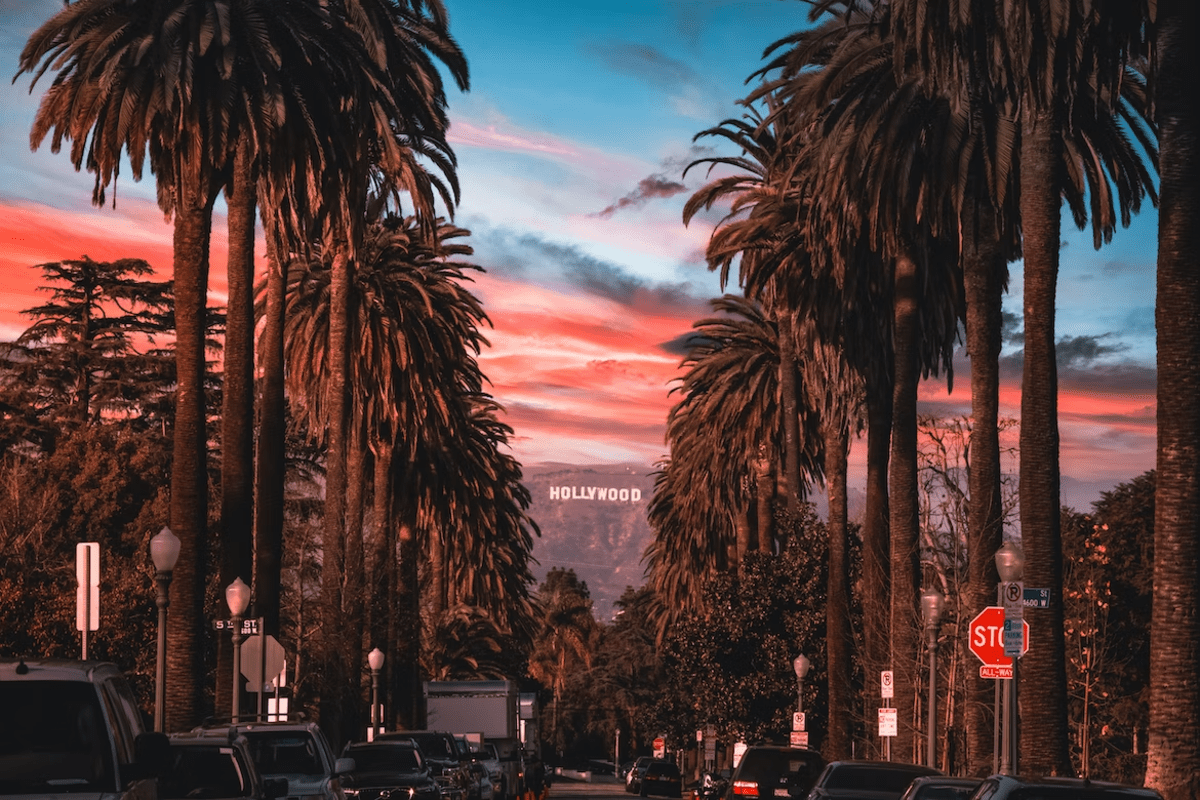
LA is not a city, it is a region
The single most useful thing to understand before moving here: choosing "Los Angeles" means nothing. The city is 500 square miles and the county is 4,000, and life on the Westside has almost nothing in common with life in the San Fernando Valley.
What decides your daily experience is the commute, and the commute is decided by which side of which hill you live on.
| Area | Character | Housing | Move-day access |
|---|---|---|---|
| Westside — Santa Monica, Venice, Culver City | Coastal, expensive, walkable in pockets | Apartments, small lots | Hard — narrow streets, permit parking |
| Downtown and Arts District | Lofts, towers, urban | High-rise | Easy with a booked freight elevator |
| Silver Lake, Echo Park, Los Feliz | Hilly, creative, dense | 1920s houses and duplexes | Hard — steep, narrow, no driveways |
| San Fernando Valley | Suburban, hot, more space | Single-family with garages | Easy — driveways and wide streets |
| Pasadena and the east | Established, leafy, quieter | Craftsman homes | Moderate — mature trees, older entries |
| South Bay — Torrance, Redondo | Coastal, family-oriented | Mixed | Generally easy |
| Hollywood and Mid-City | Dense, mixed, central | Apartment buildings | Moderate — parking is the issue |
The commute decides everything
Los Angeles traffic is not a cliché you can plan around with optimism. A 12-mile drive can take 25 minutes or 75, depending entirely on the hour.
- Find out where you will actually beOffice, studio, campus, hospital. If it is fully remote, this step disappears and your options double.
- Drive it at the real hourNot at 2pm on a Sunday. Tuesday at 8am and Thursday at 6pm are the tests.
- Check the Metro map honestlyRail works well along a few corridors — downtown, Pasadena, Long Beach, Santa Monica — and not at all elsewhere.
- Then pick the neighborhoodDoing it in this order is the difference between liking LA and spending two hours a day in a car.
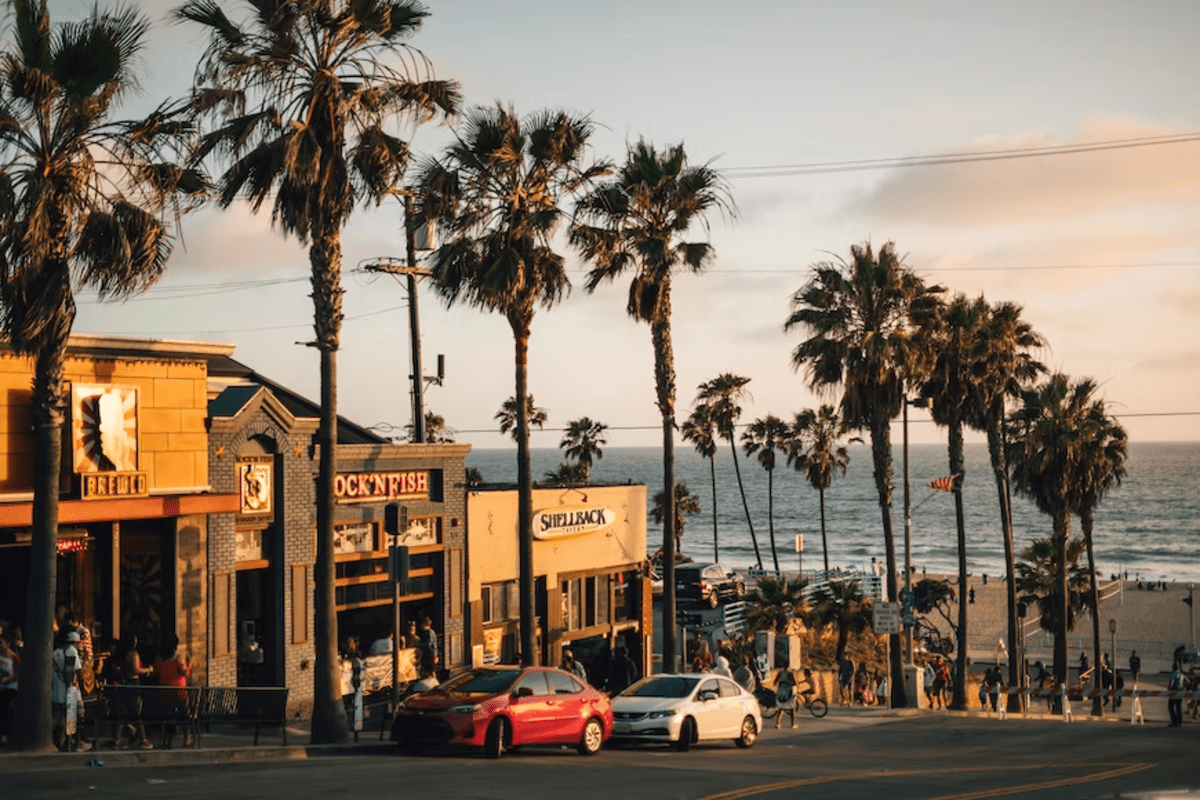
What it costs beyond rent
The move itself belongs on that list. California Movers USA is based in San Francisco and runs the SF-to-LA corridor regularly; that is a long-distance job, priced on a different basis from an hourly local move, and knowing which one you are buying makes the quotes comparable.
- A car, for almost everyone. Insurance in Los Angeles County runs above the state average, and parking at an apartment is often a separate charge.
- Cooling, especially in the Valley, where summer runs well above the coast. Coastal neighborhoods barely need it.
- Sales tax, the 7.25% state base plus Los Angeles County and city district taxes, per the CDTFA. The combined rate is among the higher ones in the state.
- Water, charged by LADWP, with usage tiers.
- Earthquake insurance, a separate policy from renters or homeowners cover.
The microclimate difference is real here too. A summer afternoon can be 75°F in Santa Monica and 100°F in Woodland Hills. It changes your utility bill and it changes which months are comfortable.
What makes an LA move different
- Distance. A move from Santa Monica to Pasadena is 25 miles and can take two hours in the truck. Time in traffic is time on the clock.
- Permit parking. Much of the Westside and central LA is permit-only. Reserved curb space needs arranging in advance or the carry gets long.
- Hillside homes. Silver Lake, Echo Park, and the canyons have long stair carries and streets a large truck cannot turn on.
- Building requirements. Downtown and Westside buildings need elevator reservations and often certificates of insurance.
- Heat. Valley summers mean early starts and heat-sensitive items in your own car.
- Older housing stock in the central neighborhoods, with narrow doorways and tight stairwells.
Planning the move
For a move within Los Angeles County, hourly pricing usually fits, because duration depends on access, stairs, and traffic rather than mileage. Our standard package is $175 per hour for two movers and one truck, and includes furniture disassembly and reassembly, moving blankets and furniture protection, mattress protection, standard protection for TVs, mirrors, artwork and electronics, floor, doorway and hallway protection, loading, transport, unloading, placement, three reusable wardrobe boxes, and dispatcher coordination.
From the Bay Area it is roughly 380 miles, usually one to two days in transit and better quoted as a flat rate against a confirmed inventory. For moves inside California the applicable terms come from your move documents and the state rules published by the Bureau of Household Goods and Services; arriving from out of state, the FMCSA sets out the two valuation options.
See San Francisco to Los Angeles moving, Los Angeles movers, and pricing.
Related reading: things to do in Los Angeles, moving to Long Beach, Los Angeles to San Francisco, and moving to California.
Questions people ask
Is Los Angeles cheaper than San Francisco?
To buy, yes — $921,200 against $1,394,500. To rent, meaningfully so: $1,933 against $2,476. Incomes are also lower, at $81,939 against $140,970.
Is LA losing people?
Slightly — down 0.8% between April 2020 and July 2025, far less than San Francisco.
Do I need a car?
For most addresses, yes. Downtown, Koreatown, and parts of the Metro corridors are the exceptions.
Which area should I pick?
Whichever one puts you within a tolerable commute of where you actually have to be. In LA that constraint outranks every other preference.
How hot does it get?
Mild on the coast year-round; the San Fernando Valley regularly runs above 95°F in summer.
How long does a local LA move take?
Access and traffic decide it. A cross-county move with permit parking at both ends can take a full day for a one-bedroom.
Figures from U.S. Census Bureau QuickFacts and CDTFA; reviewed September 2026.
Tell us what you are moving and we will come back with a starting quote.