Moving to Colorado From California
Colorado grew 4.1% since 2020 while California shrank, and its homeownership rate is 66.2% — a state where ordinary households still buy houses. Here are the current figures, how the Front Range differs from the mountains and the Western Slope, what altitude and winter change, and how the California-to-Colorado move actually runs.
Colorado in numbers
Colorado is one of the states Californians move to most, and one of the few adding people at a steady rate. The July 1, 2025 estimate is 6,012,561 residents, up 4.1% since April 2020, against a 0.5% decline for California.
From Census Bureau QuickFacts:
- median household income: $95,470 (2020–2024, in 2024 dollars);
- median gross rent: $1,761;
- median value of an owner-occupied home: $539,400;
- homeownership rate: 66.2%.
That homeownership figure — 66.2% against California’s far lower rate — is the real story. Colorado is a state where ordinary households still buy houses.
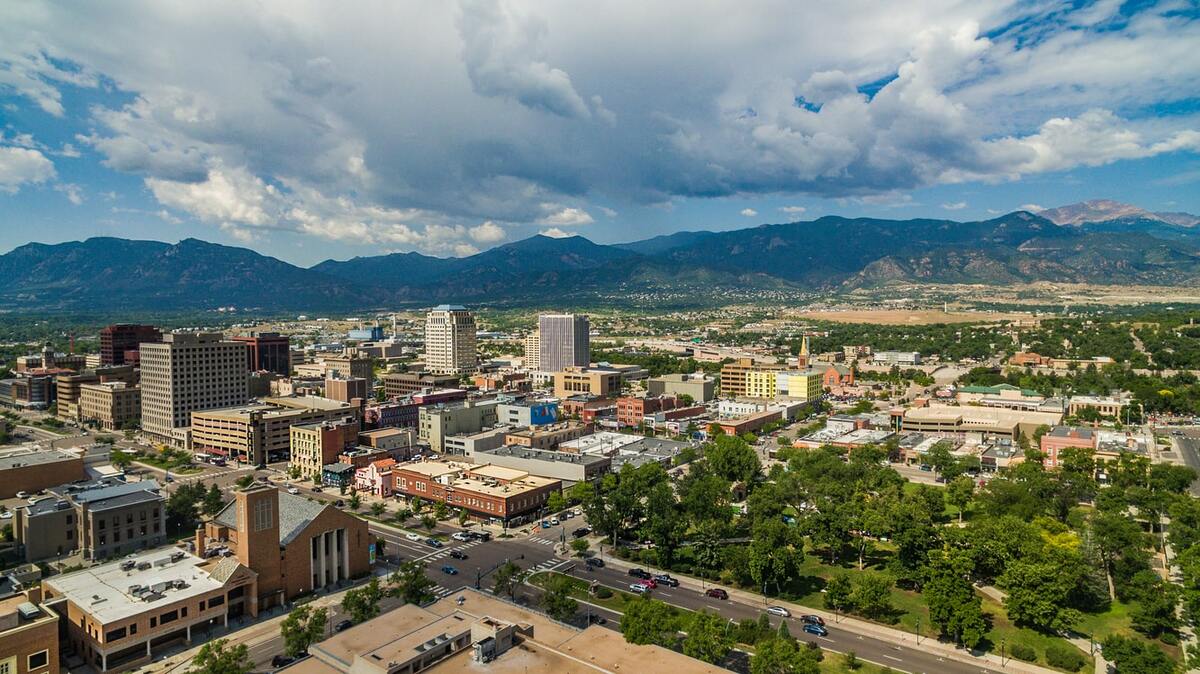
Colorado is not one region either
The Front Range. Denver, Boulder, Colorado Springs, Fort Collins — a north-south corridor along I-25 holding most of the state’s population, jobs, and housing cost. This is where almost every relocation ends up. See moving to Denver.
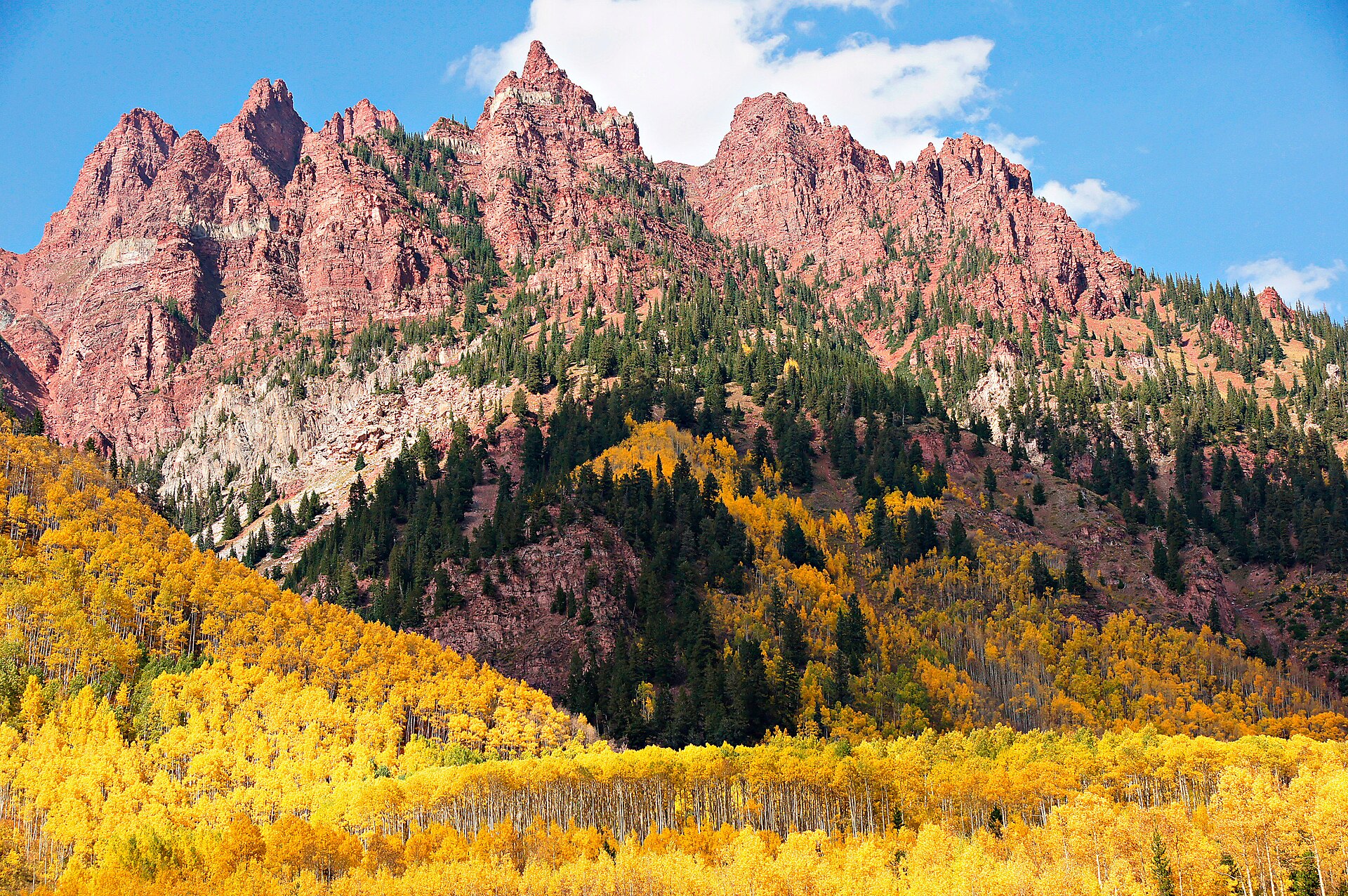
The mountains. Summit County, Eagle County, Aspen, Steamboat. Spectacular, expensive, and operationally difficult to move into — narrow mountain roads, elevation, seasonal access, and short summers.
The Western Slope. Grand Junction and the western valleys. Warmer, drier, cheaper, and a smaller job market.
The Eastern Plains. Agricultural, flat, sparsely populated, and very inexpensive.
For a job-driven move, the Front Range is the practical answer. For everything else, the trade is access and services against scenery and price.
Cost of living
Colorado is cheaper than coastal California and no longer cheap in absolute terms — Front Range housing has risen sharply over the past decade.
- Income tax is a flat rate, well below California’s top brackets.
- Sales tax is layered: a state rate plus city, county, and special district rates, so the total varies noticeably between neighboring towns.
- Property tax rates are relatively low by national standards, though assessments have followed the market.
- Heating is a real winter cost, especially in an older, poorly insulated house.
- Vehicle registration is based on vehicle value and is higher in the first year than most people expect.
- Home insurance has become more expensive in wildfire-exposed areas. Check insurability before committing to an address.
Climate, altitude, and what they change
Most of the Front Range sits between 5,000 and 6,000 feet. The adjustment takes one to two weeks: more water, worse sleep at first, faster sunburn, and stairs that feel harder than they should.
The weather is sunnier than its reputation — around 300 sunny days a year — and also genuinely snowy. Storms clear quickly, but March, not January, is the snowiest month. A spring move can be delayed by a mountain-pass closure just as easily as a winter one.
The dryness is constant. Wood furniture that lived its life in a coastal California climate can crack in a Colorado winter; a humidifier is a normal household appliance here.

Jobs
Aerospace and defense, particularly around Colorado Springs and Boulder. Technology, with a substantial and growing Denver-Boulder cluster. Healthcare. Energy, both traditional and renewable. Federal employment, since Denver has one of the largest concentrations of federal offices outside Washington. Plus tourism and outdoor recreation across the mountain counties.
For someone arriving from California with a remote role, the Front Range works well. For someone job-hunting on arrival, the Denver-Boulder corridor is where the depth is.
What a move to Colorado involves
Roughly 1,250 miles from the Bay Area and about 1,000 from Los Angeles — a two- to four-day transit for most shipments, usually quoted as a flat rate against a confirmed inventory.
- Mountain routing is seasonal. I-70 through the passes can close in a storm. Build slack into the delivery window rather than planning to a fixed date in winter.
- Mountain-town access often needs a smaller truck and a shuttle. Say so early if you are moving to a ski county.
- Altitude affects the crew, and a stair carry at 6,000 feet takes longer than the same carry at sea level.
- Alley access is common in older Denver neighborhoods and is frequently easier than the street.
- HOA rules in newer suburbs set move hours and truck placement.
Ask whether the estimate is binding — see the FMCSA on binding estimates — and which of the two valuation options is written into your documents. More in moving insurance and valuation.
California Movers USA runs the California-to-Colorado corridor with in-house crews. See state-to-state moving, long-distance moving, and pricing.
Arrival checklist
- Colorado driver’s license and vehicle registration in the first month; emissions testing applies in parts of the Front Range.
- Utilities booked two to three weeks ahead — Xcel Energy across much of the state, plus municipal water and waste. See setting up utilities.
- Home and auto insurance quoted for the specific address, with wildfire exposure checked.
- Winter or all-weather tires before November.
- A humidifier, before the first dry week convinces you.
- Furnace serviced if you are buying.
Related reading: moving to Denver, best places to live in the US, moving to Wyoming, and how to pack for a move.
Questions people ask
Is Colorado cheaper than California?
Yes on housing — a $539,400 median home value against California’s far higher figure — and on income tax. Median household income is close, at $95,470 against $99,122.
Is Colorado growing?
Yes, 4.1% between April 2020 and July 2025.
Where do most Californians settle?
The Front Range, and mostly the Denver-Boulder corridor, where the jobs are.
How long does altitude adjustment take?
One to two weeks for most people. Drink considerably more water in the first few days.
Can I move to a mountain town in winter?
Yes, with planning. Expect a smaller truck, a possible shuttle, and a delivery window rather than a date.
How long is the move from California?
Two to four days in transit from the Bay Area, depending on the schedule and the season.
Figures from U.S. Census Bureau QuickFacts; reviewed September 2026.
Tell us what you are moving and we will come back with a starting quote.