Moving to Boise, Idaho From California
Boise rent runs around half of San Jose’s, and 63.2% of households own their home. It is much cheaper than California and much more expensive than it was five years ago. Here are the current figures, where people actually settle in the Treasure Valley, what the seasons do to a move, and how the California-to-Idaho corridor works.
Boise in numbers
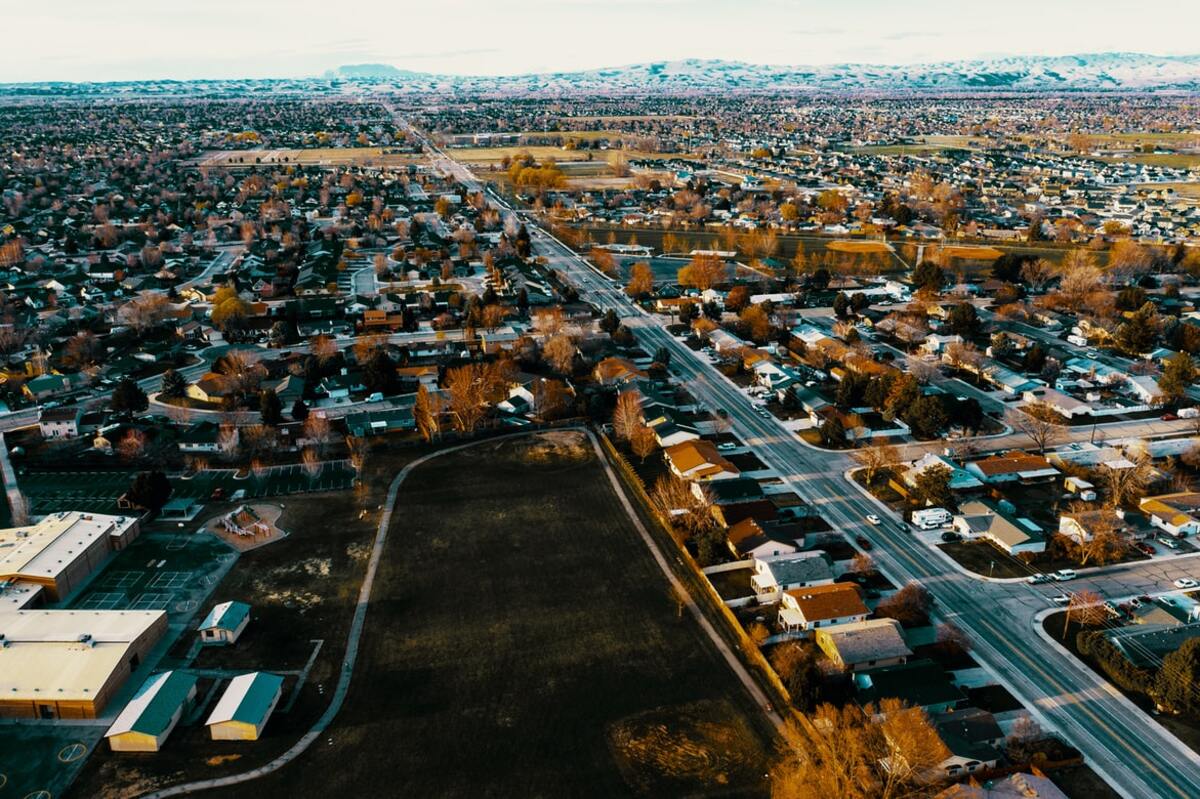
Boise had an estimated 238,429 residents as of July 1, 2025, up 1.1% since April 2020. The city itself grew modestly; the surrounding Treasure Valley — Meridian, Nampa, Kuna, Eagle — grew far faster, which is where most arrivals actually land.
From Census Bureau QuickFacts:
- median household income: $83,904 (2020–2024, in 2024 dollars);
- median gross rent: $1,446;
- median value of an owner-occupied home: $484,800;
- homeownership rate: 63.2%.
Rent at $1,446 is roughly half San Jose’s. That is the number people move for.

Set expectations honestly
Boise is much cheaper than California and much more expensive than it was five years ago. A $484,800 median home value is not a bargain in absolute terms; it only looks like one from the Bay Area.
It is also worth knowing that the influx from California has been a live local topic. Arriving with an attitude about how things were done back home is the fastest way to have a bad first year. Most people find Boise welcoming; the friction, where it exists, is about housing prices rather than about newcomers.
The other honest note: incomes are lower. A remote California salary goes a long way here. A local salary is a different calculation, and worth running before the move rather than after.
Where people live
North End. Older bungalows and Craftsman houses on tree-lined streets, walkable to downtown, the most sought-after part of the city. Narrow streets, alley access common, and mature trees that constrain a high-cube truck.
East End and Harris Ranch. Foothills addresses, some steep driveways, newer construction further out.
Downtown and Boise River corridor. Apartments and condos, some with elevators and reserved move windows.
Southeast Boise and Barber Valley. Family-oriented, newer, straightforward access.
Meridian and Eagle. The growth engine of the valley. Master-planned subdivisions, garages, wide streets, and HOA rules that often govern move hours.
Nampa and Caldwell. The most affordable end, further out, more agricultural in character.
Cost of living and taxes
- Income tax. Idaho’s rate is materially lower than California’s top brackets.
- Sales tax is a flat statewide rate, applied to groceries — which is unusual and catches Californians out — with a grocery credit on the state return.
- Property tax is moderate, with a homeowner’s exemption for a primary residence.
- Utilities are reasonable: Idaho Power for electricity, Intermountain Gas for heating.
- Heating in winter and cooling in summer are both real. The valley is high desert — cold winters, hot dry summers.
Climate, and what it does to a move
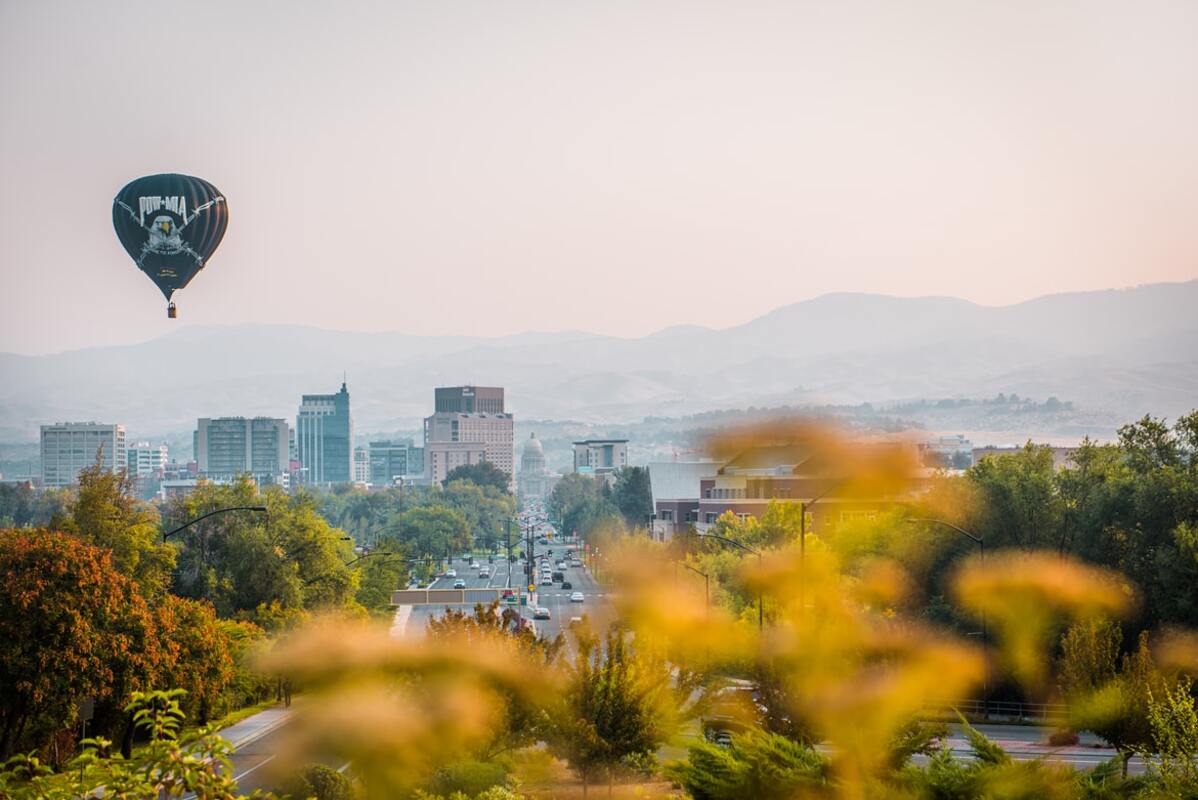
Four distinct seasons at about 2,700 feet. Summers are hot and very dry, with wildfire smoke a recurring feature in late summer. Winters bring snow and long stretches of valley inversion — cold, grey, and still.
For move planning: a July move is a hot-weather move, with early starts and heat-sensitive items in your own car. A January move needs floor protection and plastic covers at both ends, and the mountain routes between California and Idaho can be affected by weather.
The California-to-Idaho move
Roughly 650 miles from the Bay Area — one of the shorter western interstate corridors, typically a one- to two-day transit and quoted as a flat rate against a confirmed inventory.
Three things to raise at the walkthrough: whether the destination is a North End address with narrow streets and alley access, whether it is a Meridian or Eagle subdivision with HOA move rules, and whether anything in the shipment is heat- or cold-sensitive given the season.
Ask whether the estimate is binding — the FMCSA explains that in its binding estimate guidance — and which of the two valuation options is written into your documents.
California Movers USA runs the corridor with in-house crews. See California to Idaho moving, state-to-state moving, and pricing.
Arrival checklist
- Idaho driver’s license and vehicle registration in the first month.
- Utilities booked ahead — Idaho Power, Intermountain Gas, and city water and waste. See setting up utilities.
- Homeowner’s exemption filed if you are buying.
- Snow tires or all-weather tires before December.
- Air purifier for late-summer smoke.
- Home and auto insurance quoted for the new address.
Related reading: best places to live in the US, moving to Utah, moving to Montana, and how to pack for a move.
Questions people ask
Is Boise still cheap?
Cheaper than California by a wide margin — $1,446 median rent against $2,669 in San Jose — but no longer cheap by its own standards.
Is Boise growing?
The city grew 1.1% between April 2020 and July 2025. The surrounding Treasure Valley grew considerably faster.
Are Californians welcome?
Broadly yes. Local friction is about housing prices, not people. Arriving with curiosity rather than comparisons goes a long way.
Do I need a car?
Yes for most addresses. Downtown and the North End are walkable; the valley is not.
How bad is the wildfire smoke?
It varies by year and is mostly a late-summer issue. An air purifier is a normal household item here.
How long is the move from California?
One to two days in transit from the Bay Area, depending on the schedule.
Figures from U.S. Census Bureau QuickFacts; reviewed September 2026.
Tell us what you are moving and we will come back with a starting quote.