Living in Cheyenne, Wyoming
Cheyenne is Wyoming’s largest city at 66,507 people, with a median home value of $333,700 and no state income tax — and it sits 100 miles from Denver, which is what separates it from the rest of the state. Here are the figures, what the wind and the winters are really like, and what a move here involves.
Cheyenne in numbers
Cheyenne is Wyoming’s capital and largest city, with an estimated 66,507 residents as of July 1, 2025, up 1.7% since April 2020.
From Census Bureau QuickFacts:
- median household income: $78,839 (2020–2024, in 2024 dollars);
- median gross rent: $1,118;
- median value of an owner-occupied home: $333,700;
- homeownership rate: 67.1%.
A house here costs roughly a quarter of one in San Jose, and Wyoming charges no state income tax. That is the case for Cheyenne in two sentences.

Why Cheyenne specifically
Wyoming has plenty of cheap towns. What separates Cheyenne is location: it sits on I-25 about 100 miles north of Denver, which is a 90-minute to two-hour drive.
That proximity does real work. Denver International Airport is reachable for flights. Specialist healthcare, concerts, and a metro job market are a drive away rather than a flight away. And a household can live under Wyoming’s tax rules while staying within reach of a major city — which is exactly why Cheyenne attracts people who would otherwise find the state too remote.
It is also a working city rather than a resort one. F.E. Warren Air Force Base, state government, the railroad, healthcare, and a growing set of data centers make up the economy.
What living here is like
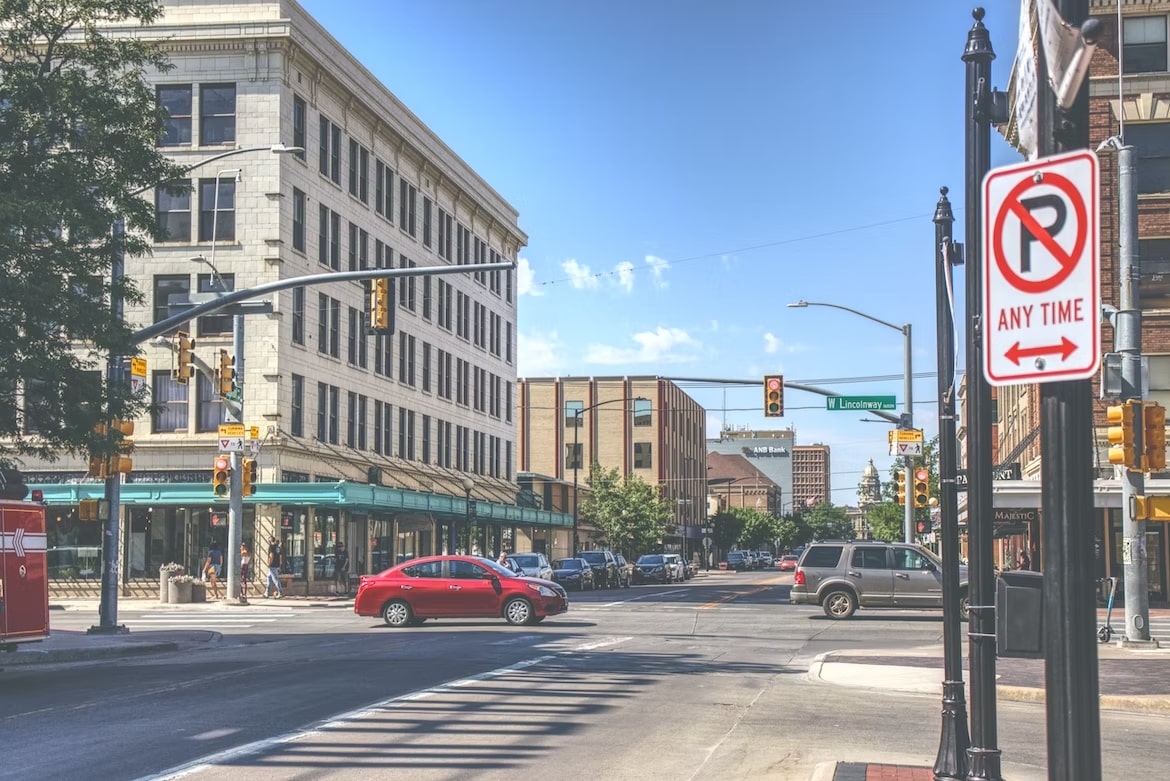
Cheyenne is small. Sixty-six thousand people means short commutes, no traffic worth the name, and a downtown you can walk in twenty minutes. It also means fewer restaurants, fewer specialists, and one shopping district.
The city sits at about 6,000 feet, which brings the usual adjustment — more water for the first week, faster sunburn, and stairs that feel steeper than they are.
And the wind. Cheyenne is among the windiest cities in the United States, and it is a constant rather than a season. Fences, roofs, and patio furniture are all chosen with it in mind. People either stop noticing it after a year or never quite do.
Neighborhoods and housing
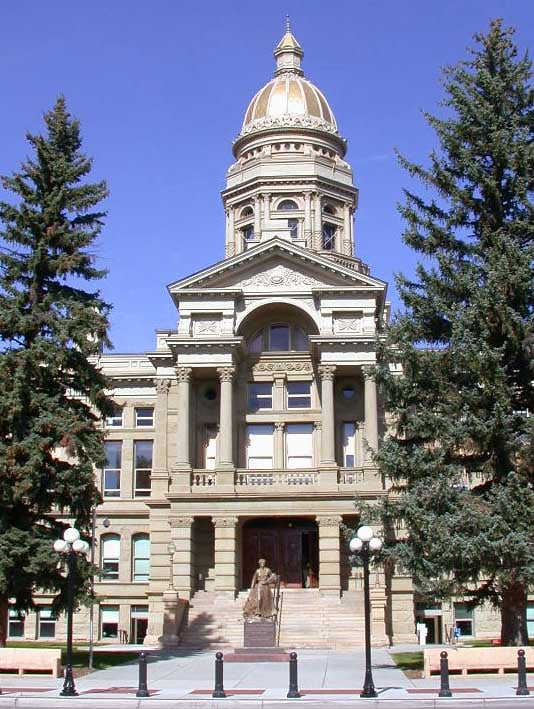
Downtown and the historic district. Older homes near the Capitol, some Victorian, with narrow entries and steep front steps. Character, and a slower carry on move day.
South and east Cheyenne. Mid-century ranch houses, wide streets, driveways, and the most straightforward access in the city.
North Cheyenne. Newer subdivisions, larger lots, garages, and HOA rules in some developments.
Rural addresses outside the city. Acreage, well water, septic systems, and long gravel drives. All four of those change what a move day looks like, and all four are worth understanding before you buy.
Weather, and what it does to a move
Long, cold, windy winters and warm, dry, thunderstorm-prone summers. Snow can fall well into May.
The operational point is I-80 and I-25. Ground blizzards close these interstates regularly in winter — high wind blowing existing snow across the road — and closures are measured in hours or days, not minutes.
So a winter move to Cheyenne is planned with a delivery window rather than a delivery date. That is not a mover hedging; it is how the roads work here.
Moving to Cheyenne from California
Roughly 1,200 miles from the Bay Area, typically two to four days in transit, quoted as a flat rate against a confirmed inventory.
- Access first. A downtown historic home, a suburban house with a garage, and a rural property on gravel are three different jobs. Describe yours accurately at the walkthrough.
- Winter window. Agree a delivery range in writing between November and April.
- Altitude at 6,000 feet slows stair carries.
- Wind affects loading: a truck ramp and loose packing material behave differently in a 40 mph crosswind, which is a normal Cheyenne afternoon.
- Confirm internet at the exact address if you are working remotely, especially outside the city limits.
Ask whether the estimate is binding — see the FMCSA on binding estimates — and which of the two valuation options is in your documents.
Halo by California Movers USA runs the corridor with in-house crews. See state-to-state moving and pricing.
Arrival checklist
- Wyoming driver’s license and vehicle registration in the first months.
- Utilities booked ahead — Black Hills Energy for gas and electricity, plus the Board of Public Utilities for water. See setting up utilities.
- Internet confirmed for the exact address.
- Snow tires and a winter car kit before November.
- Furnace serviced; heat tape on exposed pipes where needed.
- Home insurance quoted with wind and hail exposure priced in.
- Well and septic inspected if you are buying acreage.
Related reading: moving to Wyoming, moving to Denver, moving to Colorado, and how to pack for a move.
Questions people ask
How far is Cheyenne from Denver?
About 100 miles on I-25, typically 90 minutes to two hours. Denver International Airport is the practical airport for most trips.
Is Cheyenne affordable?
Yes — a median home value of $333,700 and median rent of $1,118, with no state income tax.
How small is it really?
About 66,500 people. Expect short commutes and a limited range of restaurants, shops, and specialists.
Is the wind exaggerated?
No. It is one of the windiest cities in the country, and it is constant rather than seasonal.
Can I commute to Denver?
Some people do it a few days a week. Daily is 3 to 4 hours of round-trip driving, on a road that closes in winter storms.
How long does the move from California take?
Two to four days in transit, with a delivery window rather than a fixed date in winter.
Figures from U.S. Census Bureau QuickFacts; reviewed September 2026.
Tell us what you are moving and we will come back with a starting quote.