Best Neighborhoods in San Francisco
San Francisco changes character every few blocks, and so does the weather — three miles can be the difference between sun and fog. Rather than ranking neighborhoods, this guide sorts them by what people actually decide between: warm or foggy, walkable or quiet, and what each one is like to move into.
How to read this
San Francisco changes character every few blocks, and so does the weather. Three miles can be the difference between a sunny afternoon and fog you need a jacket for.
Rather than ranking neighborhoods, this guide sorts them by what people actually decide between: warm or foggy, walkable or quiet, and — the part no other guide covers — what each one is like to move into.
The city in context
- Population (July 1, 2025)
- 826,079
- Median gross rent
- $2,476
- Median home value
- $1,394,500
- Homeownership rate
- 38.2%
- Persons per household
- 2.21
- City area
- ~47 sq miles
U.S. Census Bureau QuickFacts, San Francisco County. Source.
The warm side
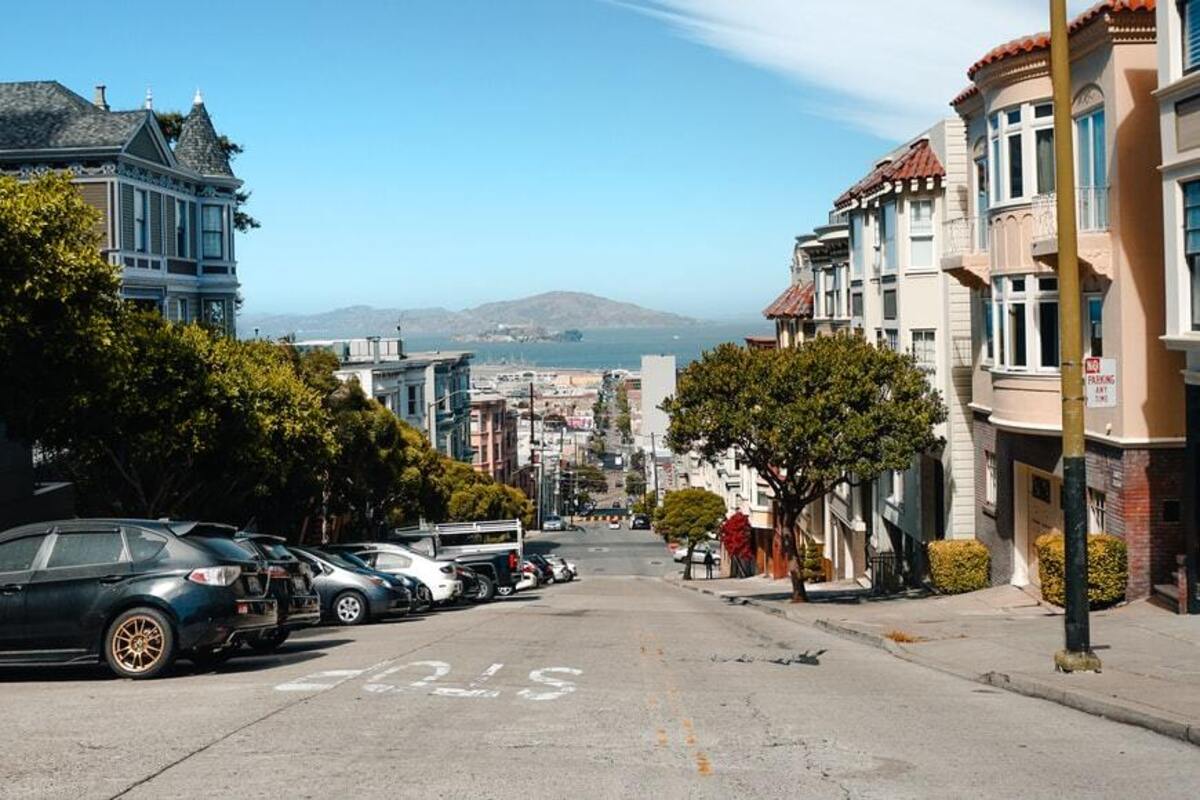
The Mission. The sunniest neighborhood in the city and the liveliest. Victorian flats over shops, a dense restaurant scene, BART on Mission Street. Rents are no longer cheap. Move-day reality: narrow streets, frequent walk-ups, and permit parking that has to be arranged.
Bernal Heights. Quieter, family-heavy, and sunny, on a hill with views. Small houses on steep streets — the hill is the whole planning problem for a move.
Potrero Hill. Sunny, residential, close to the freeways and Mission Bay. Easier truck access than most of the east side.
Noe Valley. Sunny, flat in the middle, strollers everywhere, expensive. Victorian and Edwardian homes with narrow entries.
Dogpatch. Former industrial, now lofts and new buildings. The most straightforward moves in the city: elevators, loading zones, wider streets.
The foggy side
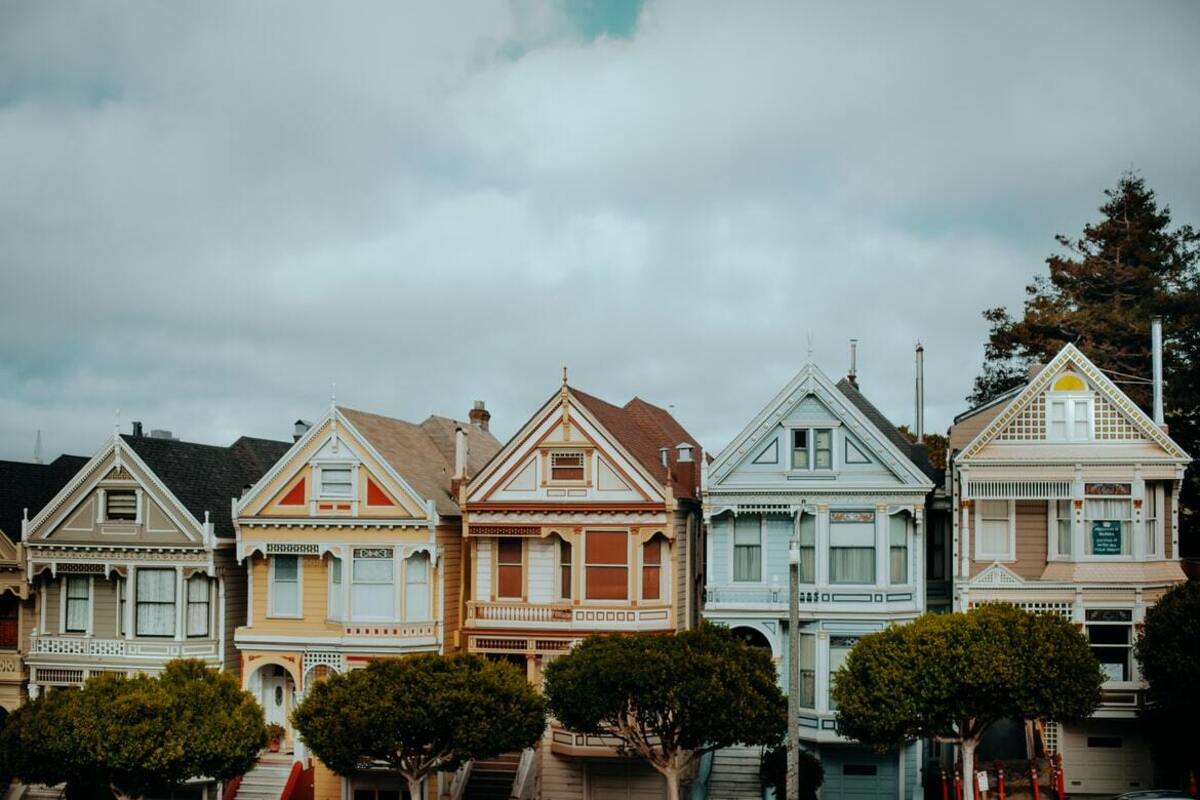
The Inner Sunset. Close to Golden Gate Park and UCSF, walkable around 9th and Irving, fog from June to August. Houses over garages — which makes it one of the easier areas to move into.
The Outer Sunset. Cheapest per square foot of the residential neighborhoods, near Ocean Beach, genuinely foggy and quiet. Garages, driveways, and wide flat streets — the best access in the city.
The Richmond. Inner and Outer, split by Golden Gate Park from the Sunset. Good food, big flats, cool weather, easy parking by San Francisco standards.
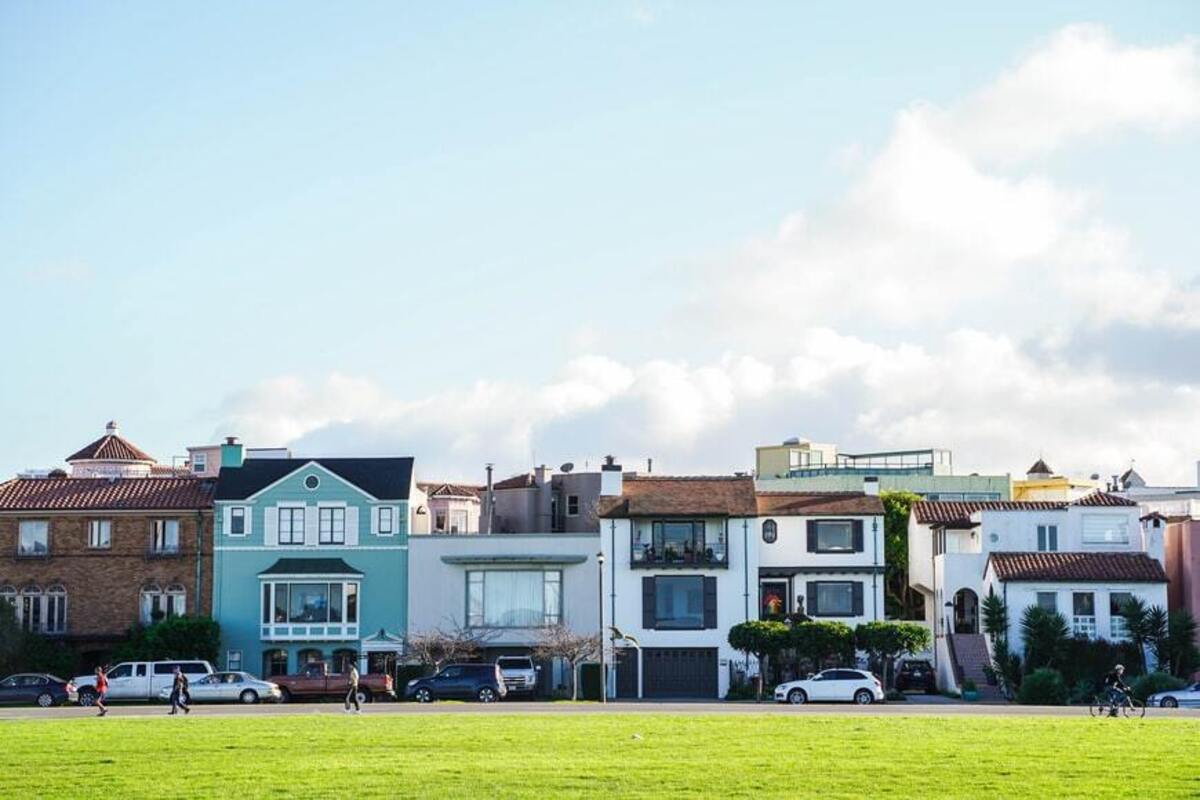
West Portal and Forest Hill. Suburban in feel, single-family homes, Muni Metro to downtown. Straightforward moves.
Central and downtown
Hayes Valley. Small, walkable, expensive, and central. Boutique retail and the symphony. Narrow streets, limited curb space, frequent walk-ups.
NoPa and the Panhandle. Edwardian flats, close to the park, popular with people who want the Mission’s energy at a slightly lower volume.
Nob Hill and Russian Hill. Beautiful, steep, and old. Cable cars and views. Also the hardest addresses in the city for a moving truck — narrow streets, steep grades, and buildings with no elevator.
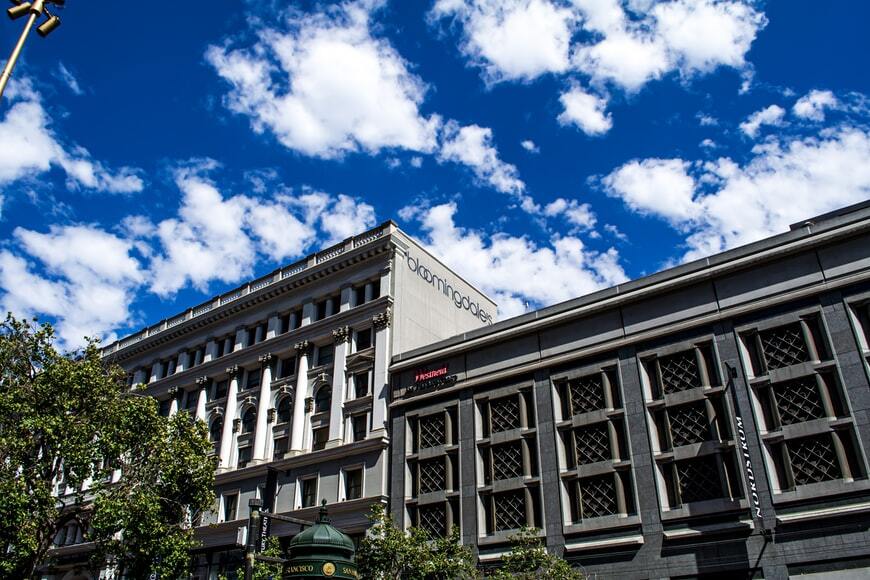
SoMa and Mission Bay. Modern towers, loading docks, freight elevators, and reserved move windows. Operationally the easiest, provided you book the elevator two weeks ahead.
North Beach. Dense, historic, walkable, and tight. Narrow lanes and old buildings.
Neighborhoods by what actually decides it
| Neighborhood | Weather | Character | Move-day access |
|---|---|---|---|
| Mission | Sunniest | Dense, lively, BART | Hard — narrow streets, walk-ups, permit parking |
| Bernal Heights | Sunny | Quiet, residential, hilly | Hard — steep, narrow |
| Noe Valley | Sunny | Families, expensive | Moderate — narrow Victorian entries |
| Potrero Hill | Sunny | Residential, near freeways | Easier — wider streets |
| Dogpatch | Sunny | Lofts, new builds | Easy — elevators, loading zones |
| Hayes Valley | Mixed | Central, walkable, pricey | Hard — limited curb space |
| NoPa | Mixed | Edwardian flats, near the park | Moderate |
| Nob / Russian Hill | Mixed | Historic, views, steep | Hardest — grade and no elevators |
| SoMa / Mission Bay | Mixed | Towers, modern | Easy — docks and freight elevators, booked ahead |
| North Beach | Mixed | Historic, dense, walkable | Hard — narrow lanes |
| Inner Sunset | Foggy | Park, UCSF, walkable | Easier — garages |
| Outer Sunset | Foggiest | Quiet, beach, best value | Easiest — driveways, flat streets |
| Richmond | Foggy | Big flats, good food | Easier — parking is manageable |
| West Portal | Cool | Suburban feel, Muni Metro | Easy — single-family homes |
The access column is not trivia. On an hourly move, a Nob Hill walk-up and an Outer Sunset house with a garage are different jobs at the same inventory — sometimes by half a day.
How to pick yours
- Fix the commute firstDowntown, Mission Bay, a Peninsula shuttle stop, or fully remote — each points at a different half of the city.
- Then choose your weatherThis is the decision people regret most often. Spend an afternoon in the Outer Sunset in July before you sign a lease there.
- Then the housing typeVictorian flat, mid-century apartment, or new build. It sets your stairs, your storage, and your parking.
- Then walk it at nightStreets read differently at 11pm on a Tuesday than at noon on a Saturday.
- Then check the parking rulesPermit zone, street cleaning day, and whether the building has a garage. This is a weekly cost in time.
What to ask about a specific address
- How many flights of stairs, and is there an elevator?
- Is there a garage or a dedicated parking space, or is it street only?
- Which permit zone, and which day is street cleaning on the loading side?
- Does the building require a move window, a reservation, or a certificate of insurance?
- How wide is the front door and the stairwell turn? Measure if you own a large sofa.
- Which direction does it face, and how much sun does it actually get?
- Are utilities included, and which ones?
The first five questions are the ones that decide what your move costs. Ask them before you sign, not on the day the truck arrives.
Moving within the city
For a move inside San Francisco, hourly pricing usually fits, because duration is driven by stairs, elevator windows, and curb access rather than by distance. Our standard package is $175 per hour for two movers and one truck, including furniture disassembly and reassembly, moving blankets and furniture protection, mattress protection, standard protection for TVs, mirrors, artwork and electronics, floor, doorway and hallway protection, loading, transport, unloading, placement, three reusable wardrobe boxes, and dispatcher coordination.
California Movers USA is based here and works every neighborhood on this page with in-house crews. The dispatcher plans the truck size around the street and books the curb; the lead foreman runs the day. For moves inside California the applicable terms come from your move documents and the state rules published by the Bureau of Household Goods and Services.
See San Francisco movers, apartment moving, and pricing.
Related reading: moving to San Francisco, cost of living, population and migration, and how to pack for a move.
Questions people ask
Which neighborhood is sunniest?
The Mission, followed by Bernal Heights, Potrero Hill, and Noe Valley. The east side generally.
Which is cheapest?
Of the residential neighborhoods, the Outer Sunset and the southern edge of the city offer the most space per dollar.
Best neighborhood for families?
Noe Valley, Bernal Heights, West Portal, and the Inner Sunset come up most often — space, schools, and quieter streets.
Where should I live without a car?
The Mission, Hayes Valley, NoPa, North Beach, and SoMa. All are walkable with good transit.
How different is the weather really?
Enough to matter. A July afternoon can be 60°F in the Outer Sunset and 75°F in the Mission on the same day.
Which neighborhoods are hardest to move into?
Nob Hill and Russian Hill for grade and stairs, then North Beach and Hayes Valley for narrow streets and curb space.
Figures from U.S. Census Bureau QuickFacts; reviewed September 2026.
Tell us the address and we will come back with a starting quote that accounts for the stairs.